What Sunglass Tints Are Best for High Prescriptions?
The Right Tint for the Job: A Guide to Sunglass Tints for High Prescriptions
Finding the perfect pair of sunglasses when you have a strong prescription can feel like a compromise. You often have to choose between style and visual function, worrying about thick lenses, distortion, and whether the tint will feel comfortable. But it doesn't have to be this way. Beyond just the color, the right sunglass tint can significantly enhance contrast and visual comfort, especially when paired with the right lens technology.
We're here to demystify the process. This guide will walk you through how different tints perform with high-prescription lenses, what technologies are non-negotiable, and how to choose a frame that makes your sunglasses look and feel great.
TL;DR: Your High-Prescription Sunglass Cheat Sheet
- Lens Material is Key: Always opt for high-index lenses (1.67 or higher) to get the thinnest, lightest result possible.
- Prioritize Neutral Tints: Gray and green (G-15) tints offer the most accurate color perception, making them ideal for everyday use and driving.
- Anti-Reflective Coating is a Must: High-index lenses are more reflective. A quality anti-reflective (AR) coating on the backside of the lens is essential to eliminate distracting glare.
- UV Protection is Non-Negotiable: The tint's color or darkness has nothing to do with UV protection. Insist on lenses that offer UV400 or 100% UV protection.
Why High Prescriptions Change the Sunglass Game
A stronger prescription, whether for nearsightedness or farsightedness, requires a lens with more curvature and thickness to correctly bend light. This physical reality introduces a few challenges that standard, non-prescription sunglasses don't have to account for.
Lens Thickness and Weight
The most noticeable issue is lens thickness. For a prescription beyond ±3.00 diopters, standard plastic lenses become significantly thick and heavy, especially at the edges. This is where high-index lens materials are a game-changer. These advanced materials can bend light more efficiently, so a lens with the same corrective power can be made much thinner and lighter. As a rule of thumb, for every 1.00 diopter of prescription strength, you can expect a conventional lens to get about 10–15% thicker at the edge. High-index materials drastically reduce this progression.
Optical Clarity and Distortion
Stronger lenses can sometimes create a "bug-eye" or "tiny-eye" effect, where your eyes appear magnified or minimized to others. They can also cause more noticeable peripheral distortion, where things look slightly warped when you glance to the side. Modern lens designs, particularly aspheric lenses, are crafted to flatten the lens curvature and reduce these effects, providing a wider field of clear vision and a more natural look. If you're concerned about how your eyes will look, understanding that strong lenses don't have to distort your eyes with today's technology is reassuring.
The Non-Negotiable Add-On: Anti-Reflective Coating
A critical point often overlooked is that the denser the lens material (i.e., the higher the index), the more light it reflects off its surface. For sunglass lenses, this is particularly problematic on the backside of the lens—the side facing your eye. Reflections from behind you can bounce off the lens and into your eye, creating distracting and even blinding glare. An anti-reflective coating is a microscopic layer applied to the lens that cancels out these reflections, ensuring your vision is crisp, clear, and comfortable.
Choosing Your Tint: A Practical Guide for High-Rx Wearers
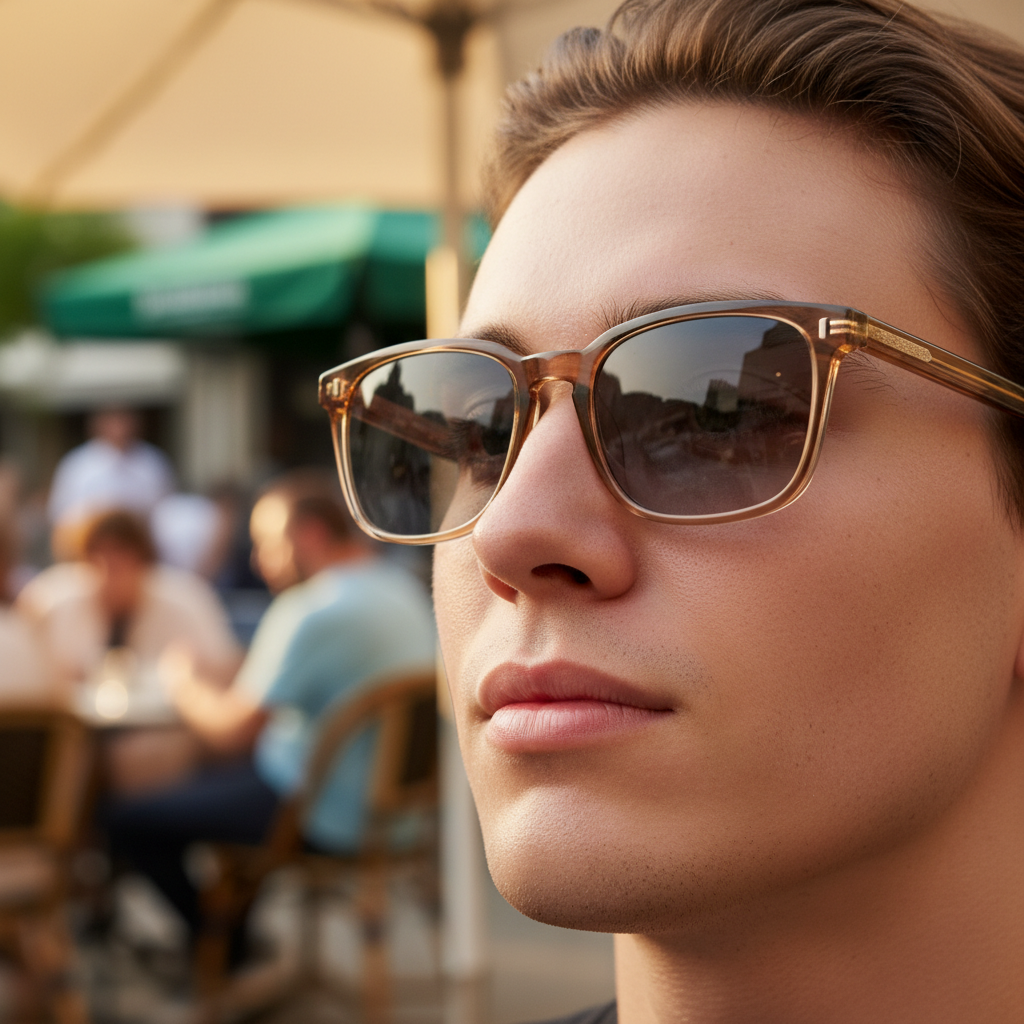
The tint of your sunglasses is more than a style choice; it's a tool for managing light and enhancing what you see. For high-prescription wearers, choosing a tint that provides comfort without distorting vision is paramount.
The Best All-Rounders: Gray and G-15 (Green-Gray)
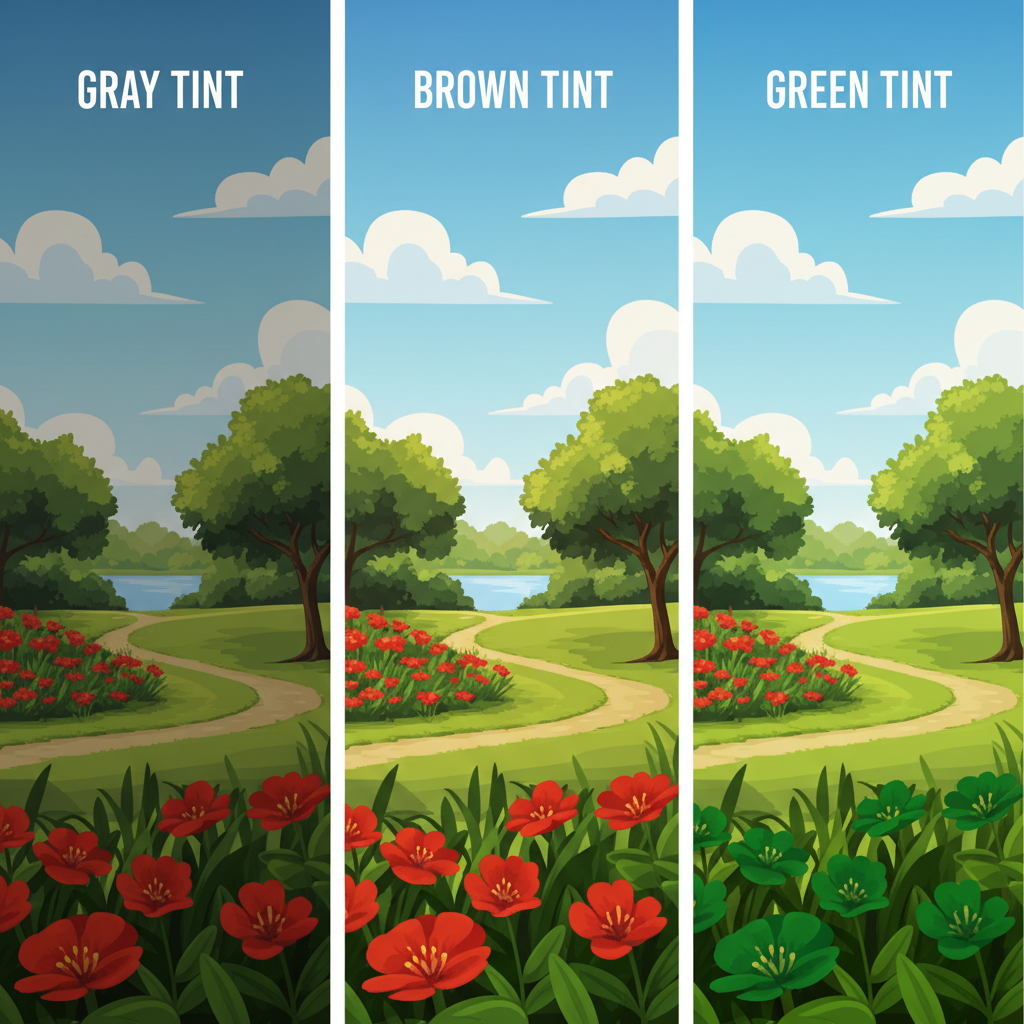
These tints are the workhorses of the sunglass world for good reason. They are considered "color neutral," meaning they reduce the overall brightness of your surroundings without significantly altering the colors you see.
- Gray: This is the most neutral tint available. It provides a true-to-life color perception, which is excellent for everyday activities and essential for driving, where recognizing the true color of traffic signals is critical. According to the Cleveland Clinic, gray lenses are a top choice for driving.
- Green / G-15: This classic tint, often a mix of green and gray, works by filtering some blue light. The result is heightened contrast and sharpness while still offering a relatively true color balance. It provides a comfortable and clear visual experience in a wide range of lighting conditions.
The Contrast Enhancers: Brown and Amber
Brown and amber tints excel at improving contrast and depth perception. They do this by filtering out a larger portion of blue light, which can make objects appear sharper against backgrounds like a blue sky or green foliage.
- Brown/Amber: These tints give your vision a warm, high-contrast quality. They are particularly effective in variable or overcast light, making them a favorite for activities like fishing, golfing, or driving in hazy conditions. This contrast enhancement is also why amber and brown tints are sometimes recommended for patients with Macular Degeneration.
Tints to Approach with Caution
Some tints are designed for specific performance scenarios and can be less suitable for general use, especially with a high prescription where visual clarity is the top priority.
- Yellow/Orange: These tints significantly boost contrast in low-light, foggy, or overcast conditions by filtering out almost all blue light. While excellent for sports like skiing, they cause significant color distortion. For this reason, the Federal Aviation Administration advises pilots against using "Blue Blocker" lenses as they can interfere with the recognition of color signals.
- Blue/Purple: These are primarily fashion tints. While they can reduce glare in certain conditions, they generally offer less visual clarity and comfort compared to neutral or contrast-enhancing tints.
Beyond Tint: Polarization and UV Protection Explained
Two of the most important features of sunglasses—UV protection and polarization—are often confused with the lens tint itself. It's crucial to understand that they are separate, independent properties.
Myth Debunked: Tint Darkness vs. UV Protection
A common and dangerous misconception is that a darker lens offers more protection from the sun's ultraviolet (UV) rays. This is false. In fact, wearing very dark sunglasses without certified UV protection is more dangerous than wearing no sunglasses at all. As explained by experts at the MD Anderson Cancer Center, the dark tint causes your pupils to dilate, which opens the door for even more harmful UV radiation to enter your eye.
UV protection is a clear coating or an inherent property of the lens material itself that is invisible to the naked eye. Always look for a label that says "UV400" or "100% UV Protection." This ensures the lenses block all UVA and UVB rays, which is vital for preventing long-term eye damage like cataracts and macular degeneration.
The Role of Polarization
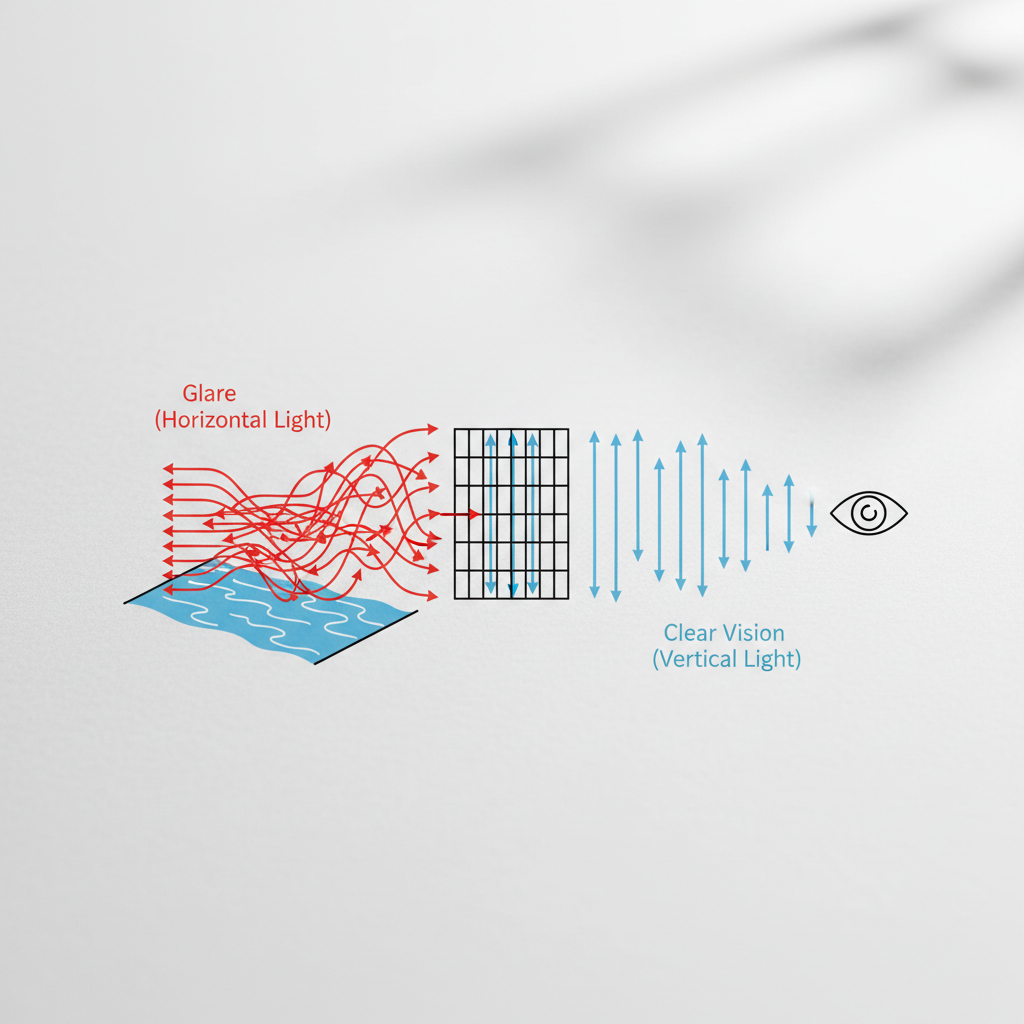
Polarization is a specialized filter designed to combat a specific type of light: glare. According to Harvard Health Publishing, this filter works by blocking the intense horizontal light waves that reflect off flat surfaces like a wet road, a body of water, or the hood of a car.
Should High-Prescription Wearers Get Polarized Lenses?
For most people, polarization is a highly beneficial feature that dramatically reduces eye strain and improves visual comfort in bright conditions. However, there are some specific trade-offs to consider.
| Pros of Polarization | Cons of Polarization |
|---|---|
| Dramatically reduces glare | Can make it difficult to see LCD screens (phones, dashboards) |
| Improves visual comfort and reduces eye strain | Can slightly reduce perceived brightness |
| Enhances contrast and clarity, especially near water | Not recommended for certain professions, like airline pilots |
The Verdict: For driving and general outdoor activities, polarized lenses are an excellent choice for high-prescription wearers. The reduction in glare often outweighs the inconvenience of having to tilt your head to see your phone screen clearly.
Frame Selection: The Key to Success with High Prescriptions
With a strong prescription, the frame you choose is just as important as the lenses. A well-selected frame can dramatically minimize lens thickness, improve optical performance, and ensure a comfortable fit.
- Go Smaller and Rounder: Large, angular frames require a larger lens blank, which will always result in thicker edges. Smaller, rounder, or more oval-shaped frames allow the thickest part of the lens to be trimmed away during the edging process.
- Choose Thicker Rims: A thicker plastic or acetate frame does a much better job of concealing the edge of the lens than a thin metal one.
- Prioritize a Snug Fit: A frame that sits close to your face reduces the "vertex distance," which can affect how your prescription feels. It also prevents light from leaking in from the sides and top. For maximum protection, the American Academy of Ophthalmology recommends oversized or wraparound styles to block damaging UV rays from entering around the frame.
- Get an Accurate Pupillary Distance (PD): Your PD is the distance between the centers of your pupils. An accurate measurement is critical for ensuring the optical center of your high-powered lenses is correctly aligned with your eyes. A small error can induce prism, leading to eye strain and headaches.
Wrapping Up: Key Takeaways for Clear and Comfortable Vision
Choosing sunglasses with a high prescription requires a bit more thought, but the result is worth it. By prioritizing the right lens technology and making informed choices about tints and frames, you can enjoy clear, comfortable, and protected vision without sacrificing style.
- Start with the right foundation: High-index lenses (1.67+) and a backside anti-reflective coating are your best friends.
- Stick to neutral tints: For the most natural and versatile vision, choose gray or green (G-15) tints.
- Never compromise on safety: Insist on certified UV400 protection. Polarization is a powerful tool for fighting glare, but understand its limitations with screens.
- Let the frame do the work: Select smaller, thicker frames to effectively manage and conceal lens thickness.
- Precision is paramount: Ensure your pupillary distance measurement is as accurate as possible.
Frequently Asked Questions (FAQ)
Q1: Can my very strong prescription be put into any sunglass frame?
Not always. Very large or heavily curved "wraparound" frames can be challenging for high prescriptions, as they can induce distortion. It's best to choose frames with a more moderate size and a flatter front curve.
Q2: Do darker sunglass tints provide more UV protection?
No. The darkness of the tint is unrelated to its ability to block UV rays. UV protection comes from a special, clear coating or is built directly into the lens material. Always verify that the lenses are rated UV400 or 100% UV protection.
Q3: Are polarized lenses always better?
Polarized lenses are excellent for reducing glare from surfaces like water and roads, which reduces eye strain. However, they can interfere with the visibility of LCD screens on phones, car dashboards, and in airplane cockpits. For most daily activities, the benefits outweigh the drawbacks.
Q4: Why do my new high-prescription sunglasses feel strange at first?
There is often a short adaptation period with any new pair of strong prescription glasses, including sunglasses. The change in lens curvature, base curve of the sunglass frame, and even the tint can make things feel different. This sensation usually subsides within a few days of consistent wear. If it persists, consult your eye care professional.
Disclaimer: This article is for informational purposes only and does not constitute professional medical advice. Always consult with a qualified optometrist or ophthalmologist to determine the best vision solutions for your specific needs, especially if you have pre-existing eye conditions.