








How to Find Glasses That Actually Fit When Buying Online
Buying glasses online without trying them on first feels like a gamble. The good news: it does not have to be. With the right measurements and a few basic guidelines, you can find frames that fit your face, match your coloring, and work for your daily life. This article covers the four main factors that determine fit, frame size, face shape, skin tone, and lifestyle, so you can order with confidence.
Read Glasses Frame Size Numbers
The three numbers printed on the inside of any glasses frame tell you everything about how the frame will sit on your face. They follow this format: lens width, bridge width, and temple length (all in millimeters).
Here is What Each Number Means
Measurement | What It Is | Typical Range |
Lens width | Width of each lens | 40–62 mm |
Bridge width | Distance between the two lenses | 14–24 mm |
Temple length | Length of the arm from hinge to tip | 120–150 mm |
How to Use These Numbers When Shopping Online
The easiest method is to check the numbers on a pair of glasses you already own and like. Use those as your baseline. If you do not have a current pair, measure your face directly:
● Total frame width: Measure across the widest part of your face (temple to temple). Your frame should be close to that width, not much narrower or wider.
● Bridge width: If glasses tend to slide down your nose, try a narrower bridge. If they pinch, go wider.
● Temple length: Most adults fall between 135–145 mm. Longer arms tend to stay put better.
Frames are often labeled as small, medium, or large based on lens width:
● Small: under 50 mm
● Medium: 50–54 mm
● Large: 55 mm and above
Starting with these numbers removes most of the guesswork before you even look at style.

Choose a Frame Shape for Your Face Shape
Face shape is one of the most searched topics in online glasses buying. The goal is not to follow strict rules. Some frame shapes balance out your features, and some highlight them.
Common face shapes and what works well with them:
The "rules" here are guidelines, not requirements.
Face Shape | Key Features | Frames That Work Well |
Oval | Balanced proportions, slightly wider cheekbones | Most shapes work; rectangular and square frames add structure |
Round | Equal width and height, soft jaw and forehead | Angular frames (rectangle, square) add definition |
Square | Strong jaw, wide forehead, similar width throughout | Round or oval frames soften sharp lines |
Heart | Wide forehead, narrow chin | Bottom-heavy frames (aviator, round) balance the upper face |
Diamond | Narrow forehead and jaw, wide cheekbones | Cat-eye or oval frames widen the forehead visually |
Oblong | Long and narrow overall | Wider frames with depth add width and shorten the face visually |
Practical tip: If you are unsure of your face shape, take a photo straight-on and trace the outline. Compare it to the shapes above. You do not need a perfect match but a close enough reference point.
Pick a Frame Color for Your Skin Tone
Frame color affects how your face reads overall. The basic principle: some colors warm up your complexion, and some cool it down. Choosing a frame color that matches your skin's undertone tends to look more natural on you.
How to Find Your Undertone
Look at the veins on the inside of your wrist in natural light:
● Blue or purple veins = cool undertone
● Green veins = warm undertone
● A mix of both = neutral undertone
Frame Color Recommendations by Undertone
Undertone | Colors That Tend to Work |
Cool | Black, silver, gray, blue, purple, clear/crystal |
Warm | Tortoiseshell, brown, gold, olive, orange, warm red |
Neutral | Most colors work; high contrast options like black or bold tortoise are especially versatile |
A Few Things to Keep in Mind
● Tortoiseshell is one of the most flattering and versatile frame colors across skin tones.
● Clear or transparent frames are largely neutral and work across complexions.
● If you are drawn to a color that does not match the "recommended" list above, wear it anyway. Undertone matching is a starting point, not a hard rule.
Hair color and eye color also factor in, but undertone is the most reliable single variable to start with.

Find a Frame Style Fits Your Daily Life
How glasses look is only half the question. How they hold up in your actual routine matters too. A frame that looks great but keeps sliding, or feels heavy after four hours at a desk, is not a good fit in the practical sense.
Ask Yourself These Questions Before Choosing
Do you spend most of your day at a screen? If yes, look for lightweight frames — acetate or thin metal — that stay comfortable over long hours. Anti-fatigue or blue light lenses (designed to reduce eye strain) are worth adding if you spend long hours at a screen.
Are you active or outdoors often? Sturdy frames with spring hinges hold up better to movement and sweat. Avoid frames with decorative elements that can snag or break.
Do you wear glasses all day or only sometimes? All-day wearers tend to prioritize comfort and lightness. Occasional wearers may put more weight on appearance.
Is your look more professional, casual, or creative?
● Professional settings: clean lines, minimal details, neutral colors
● Casual: more flexibility on shape and color
● Creative fields: bold shapes, patterns, or unusual materials stand out
Frame Material Also Affects Durability
Material | Weight | Durability | Best For |
Acetate | Moderate | High | Everyday wear, bold colors |
Light | High | Minimalist looks, long-term wear | |
Very light | Very high | Active use, kids | |
Mixed | Varies | Varies | Style variety |
Matching the frame to how you actually live prevents the common outcome of buying something you love in photos but rarely wear.
Show Your Personal Style Through Frames
Frame size, face shape, and skin tone help narrow the field. Personal style is what makes the final call. Glasses are one of the few accessories you wear every day and up close. They communicate something about who you are before you say a word.
A few common style directions and what works with each:
Minimal and clean: Thin metal frames in black, gold, or silver. Simple rectangular or round shapes without extra detailing.
Bold and expressive: Thick acetate frames in tortoiseshell, colored translucents, or patterns. Larger frame shapes stand out more.
Vintage or retro: Round keyhole-bridge frames (frames with a small rounded bridge that sits between the lenses), browline styles (frames with a thicker top bar that follows the brow line), or classic aviators. Warm colors like amber, honey, or olive fit this aesthetic well.
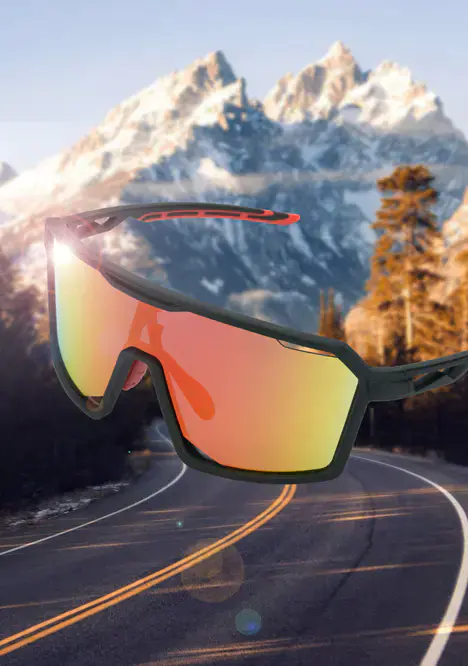
Sporty or functional: Wraparound or semi-rimless frames in lightweight materials. Neutral colors like matte black or gray keep the look low-key.
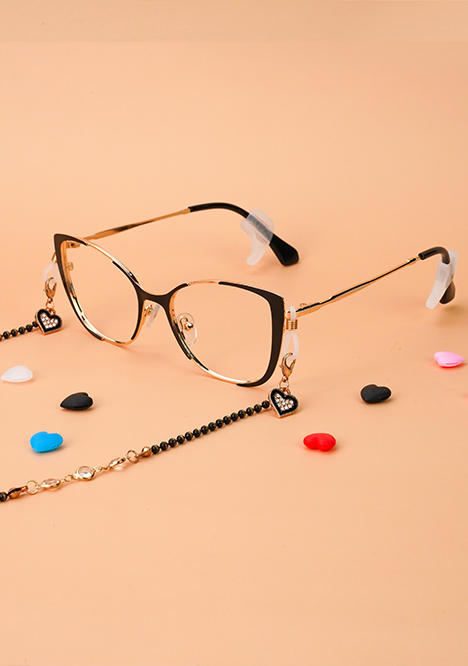
Soft and feminine:Cat-eye shapes, subtle rose-gold or blush acetate, softer rectangular styles.
One practical note: If you are ordering online for the first time, choosing a shape that is similar to glasses you have worn before lowers the risk. Once you know how a certain frame shape works on your face, branching out gets easier.
Quick Reference: Frame Fit by Face Shape and Size
Face Shape | Best Frame Shapes | Frame Width | Avoid |
Oval | Rectangle, square, round, most shapes | Matches face width | Extremely oversized |
Round | Rectangle, square, angular | Slightly wider than face | Small round frames |
Square | Round, oval, soft rectangle | Matches or slightly wider | Very geometric or boxy |
Heart | Aviator, round, bottom-heavy | Narrower at top | Wide top-heavy frames |
Diamond | Cat-eye, oval, rimless | Matches cheekbone width | Very narrow or wide |
Oblong | Wide with taller lens height | Wider than face | Narrow, small frames |
Use this table alongside your frame measurements for the most reliable starting point before ordering.

Shop Frames That Actually Fit You
Getting the fit right online comes down to four things: knowing your frame measurements, understanding which shapes work for your face, matching colors to your undertone, and choosing a style that holds up in real daily use. None of these require trying glasses on in person. Lensmart carries a wide range of frames organized by face shape, style, and size. Browse by face shape atlensmartonline.com to find your starting point.
FAQs
Q1: How Do I Find My Glasses Size Without an Existing Pair?
Grab a ruler with millimeter markings to measure the width of your face from temple to temple. For a complete fit, you can go to an optical store to measure your bridge width and temple length in under two minutes at no cost.
Q2: My Face Does Not Clearly Match One Shape. How Do I Choose?
Pick the shape your face is closest to and treat it as a loose starting point rather than a fixed category. Most faces fall between two shapes, and frames that work for either one will generally work for you.
Q3: Do Glasses With Thin Frames Work for Strong Prescriptions?
If your prescription is stronger than plus or minus 4.00 (considered a moderately strong prescription), your lenses will be noticeably thicker. Very thin or rimless frames tend to make that thickness more visible, so full-rim frames in acetate are a better choice. They cover the lens edges and keep the look cleaner.
Q4: What if the Frames I Ordered Online Do Not Fit?
Check the return and exchange policy before ordering. Most reputable online eyewear retailers accept returns or exchanges within 30 days for fit issues. Keeping your frame measurements on hand before you order reduces this risk significantly.


