







Tortoiseshell Glasses: Why They Work for Almost Every Face and Skin Tone
Standing in a glasses aisle trying to choose between black, metal, and clear frames is a familiar kind of stuck. There is a fourth option that almost always works: tortoiseshell. But "tortoiseshell fits everyone" needs unpacking, because classic brown tortoiseshell and honey tortoiseshell look very different on skin. Pick the wrong variation and it still falls flat. Here is what makes tortoiseshell so versatile, which color works for your skin tone, and what is new in 2026.
Tortoiseshell Frames Suit So Many People
Tortoiseshell is not a single color. It is a pattern built from brown, amber, caramel, black, and cream tones in irregular patches. That multi-tone construction means that when you hold tortoiseshell next to almost any skin tone or outfit, at least one of those tones finds a match. The result reads as natural coordination rather than a deliberate pairing.
How It Behaves on Different Skin Tones
● Fair skin:Classic black frames create strong contrast that can feel heavy. Tortoiseshell's brown gradient sits in a softer middle ground: visible enough to anchor the face, warm enough not to overpower it. Honey tortoiseshell is the most flattering starting point.
● Medium skin: The widest range of tortoiseshell variations works here. Classic, honey, and dark brown all land well. Focus on undertone: warm or olive skin responds best to amber and classic brown; neutral skin works with all variations.
● Deep skin: Honey tortoiseshell can appear less defined against deeper complexions because the contrast is too low. Dark brown tortoiseshell (sometimes called Havana) and classic tortoiseshell provide better definition. Amber is also a strong choice for warm or golden undertones.
● Cool or pink-based skin (any depth): Tortoiseshell's warm tones sit in complementary contrast to cool skin, which tends to make the complexion look brighter rather than clashing. This is the scenario where tortoiseshell often outperforms frames in cool colors. Honey and classic tortoiseshell both work; avoid very dark amber if your skin has strong pink or blue undertones.
One Quick Check Before You Buy
Hold something honey-colored and something dark brown next to your face in natural light, one at a time. The one that makes your skin look more even-toned and your eyes appear brighter is the variation to lean toward.

Which Tortoiseshell Color Is Right for Your Skin Tone
Five variations are the most common in 2026. They behave differently enough that choosing between them matters.
Variation | Base Tones | Best Skin Tones | Avoid If |
Classic tortoiseshell | Deep brown, amber, black patches | Medium to deep; warm undertones | Very fair skin |
Honey tortoiseshell | Light brown, golden amber, cream | Fair to medium; warm or neutral | Very deep skin |
Dark brown / Havana | Deep brown, near-black, minimal amber | All skin tones | N/A |
Amber tortoiseshell | Orange-brown, warm amber, little black | Warm, olive, golden undertones | Cool or pink-based skin |
Abstract tortoiseshell | Large irregular blocks, sometimes gray or green | Neutral undertones; any tone | N/A |
Classic tortoiseshell has the most presence. The deep brown base with amber patches is what most people picture when they hear "tortoiseshell." It works well on medium to deeper skin where the contrast is balanced, and reads as slightly formal or editorial depending on the frame shape.
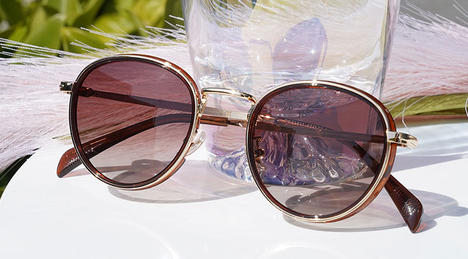
Honey tortoiseshell is the lightest variation. Built from golden amber and soft brown with very little dark pigment, it sits gently on fair and medium skin and is the 2026 trend focus across eyewear releases. If you already own classic tortoiseshell, honey is the natural next pair.
Dark brown tortoiseshell works similarly to black frames in terms of contrast but reads softer. It is the safest professional option and the most universally wearable variation across all skin tones.
Amber tortoiseshell pushes the warmth the furthest. It pairs best with warm or olive skin and earth-tone wardrobes, and reads as the most vintage of the five variations.
Abstract tortoiseshell replaces the traditional mottled pattern with larger, less regular color blocks. Some versions incorporate gray or green tones. It keeps the depth of tortoiseshell while reducing the vintage association, making it the most contemporary-looking option available in 2026.
How to Style Tortoiseshell Glasses With Different Outfits
Tortoiseshell glasses don't need to match your outfit. It finds common ground on its own. The pairings below make the most of that tendency.
Outfit Color Pairings
● White and cream: The strongest combination. White removes color competition entirely and leaves tortoiseshell as the only warm element in the outfit. Add gold earrings and the three elements (white, tortoiseshell, gold) share the same warm-tone register without effort.
● All black: Black outfits reduce visual noise and make tortoiseshell more prominent. With a full black look, choose honey or amber tortoiseshell rather than dark brown, which can blend into the outfit and lose definition.
● Earth tones (tan, camel, olive, rust): The frame and clothing share a color family, so the combination feels unified from head to toe. Earth-tone bottoms, a white or cream top, and classic tortoiseshell frames is a formula with almost no failure rate.
● Bold colors (navy, cobalt, forest green, burgundy): Tortoiseshell acts as an anchor. It absorbs some of the energy from a strong color without competing with it, keeping the overall look from feeling too loud.
Accessories: Gold vs. Silver
Gold coordinates naturally with tortoiseshell's amber and caramel tones. If you are wearing gold earrings, a gold watch, or a gold necklace, any tortoiseshell variation will work without additional thought.
Silver requires one adjustment: step down to a lighter tortoiseshell (honey or amber rather than classic dark brown) and include at least one cool-tone clothing element, such as white, light blue, or soft gray. That bridge makes the temperature difference between cool silver and warm tortoiseshell less noticeable.

Are Tortoiseshell Glasses Still in Style for 2026
Yes. Tortoiseshell has appeared in eyewear consistently since synthetic acetate replaced real shell material in the 1970s. It does not trend in and out the way a specific frame color or shape does; it cycles through new interpretations. That makes finding the right tortoiseshell glasses a lower-risk decision than chasing most trend-specific frames.
What Is New This Season
● Honey and amber tones are the 2026 focus. Multiple eyewear trend sources confirm that lighter tortoiseshell variations are getting more attention than classic dark brown this season. The overall direction in eyewear for 2026 is toward warmer, softer, more natural tones, and honey tortoiseshell fits that direction precisely. If classic tortoiseshell is already in your collection, honey is worth adding.
● Abstract tortoiseshell is emerging. Larger, less regular color blocks with occasional gray or green inflection are showing up in new releases. These versions keep the depth of traditional tortoiseshell while reading more contemporary.
● Cat-eye plus tortoiseshell is the top recommended combination. The cat-eye shape adds lift and sharpness; tortoiseshell softens it so the result reads as elegant rather than theatrical. It is the pairing getting the most consistent attention across 2026 eyewear coverage.
On the "Does It Look Dated?" Question
The frame shape is the aging factor, not the color. Thick frames with heavy browlines from fifteen years ago will read dated in any color. A clean, proportionate frame shape in tortoiseshell reads current. If you are unsure, Lensmart's virtual try-on lets you compare honey versus classic tortoiseshell on your own face before committing.

Pick Your Variation
Tortoiseshell contains enough tonal variation to find harmony with almost any complexion and outfit. The main call is which variation to start with: honey for fair to medium skin and a softer look, classic brown for medium to deep skin and a stronger presence, dark brown for professional settings and all skin tones. Browse Lensmart's full tortoiseshell collection and use the virtual try-on to see each variation on your own face before deciding.
FAQ
Q1: Can men wear tortoiseshell glasses?
Yes. Tortoiseshell is fully gender-neutral. Men's frames in this color typically have wider bridges, thicker temples, and more angular shapes, but the color and pattern carry no inherent gender association. Classic dark brown tortoiseshell works particularly well in professional settings: it reads more textured and considered than black frames while staying away from the informality of lighter colors.
Q2: Does tortoiseshell go with silver jewelry, or only gold?
It pairs most naturally with gold because the warm tones align. Silver works with one adjustment: choose a lighter variation (honey or amber rather than classic dark brown) and include a cool-toned clothing element such as white, light blue, or soft gray to bridge the temperature gap between the silver and the warm frame.
Q3: How do I know if tortoiseshell frames are real acetate?
Quality acetate tortoiseshell has color depth visible from the side: the pattern comes from inside the material rather than sitting on the surface. The pattern also varies slightly across different parts of the frame because it is cut from a sheet rather than molded. Lower-quality injected plastic has a flat, printed-looking pattern that is identical across every frame and lacks the layered visual depth of acetate.
Q4: Will tortoiseshell glasses fade over time?
It depends. High-quality acetate frames hold their color well under normal use. Prolonged direct sunlight (leaving glasses on a car dashboard, for example) can cause slow discoloration or make the material brittle. Standard care: store frames in a case when not in use, clean with a soft cloth, and keep them away from sustained heat. Lower-quality plastic frames are more susceptible to surface yellowing, typically within six to twelve months of regular use.


