



Sustainable Eyewear Report 2026: Are "Eco-Friendly" Glasses Real?
"Eco-friendly" has become one of the most common phrases in the eyewear industry. But not every pair of glasses labeled green actually tells the same story. Some are made from plant-based materials. Others use recycled components. A few are borrowing the language without much behind it. This 2026 green eyewear report breaks down what sustainable eyewear actually means, which materials hold up, and how to make a smarter choice.
What Makes Eyewear "Sustainable" and What to Look For
Sustainable eyewear is not a single standard. It covers a range of factors, and understanding those factors makes it much easier to compare options.
Three Things That Actually Matter
Where the material comes from. Plant-based materials like cellulose acetate start from renewable sources such as wood pulp and cotton fibers. Petroleum-based plastics, on the other hand, rely on fossil fuels. That's a meaningful difference at the source.
How it's made. Production processes vary widely. Some involve high energy use and chemical treatments. Others are cleaner and generate less waste. A frame made from a "natural" material can still carry a larger footprint depending on how it was processed.
How long it lasts. This one gets overlooked. A pair of glasses worn daily for five years has a much lower environmental impact per use than three cheaper pairs replaced over the same period. Durability is a sustainability feature.
No frame checks every box perfectly. But understanding these three dimensions helps cut through vague marketing language and focus on what's actually meaningful.
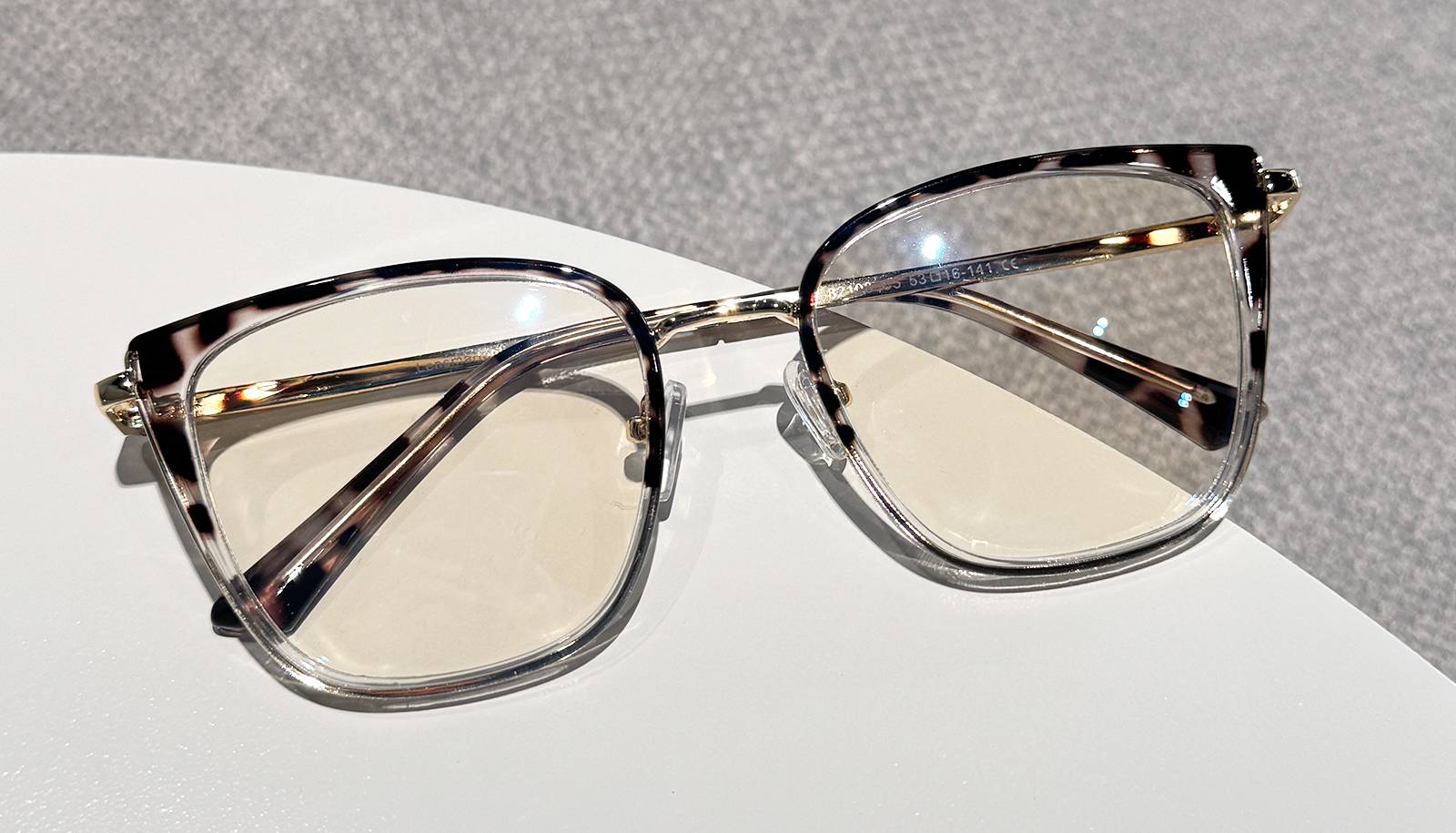
Acetate Glasses and Sustainability: What You Need to Know
Acetate is the most widely used frame material in the eyewear industry, and for good reason. It performs well across style, comfort, and sustainability.
Where Acetate Comes From
Standard cellulose acetate is made primarily from wood pulp and cotton linters. That makes it a plant-based material with a clear advantage over petroleum-based plastics, which are derived entirely from fossil fuels. Because it comes from renewable organic sources, acetate is generally considered an eco-friendly glasses material within the broader plastics category.
Acetate is also hypoallergenic, which matters for daily wear. It can be heated and adjusted by an optician, holds color deeply throughout the frame rather than only on the surface, and tends to be more durable and flexible than standard plastic. Those are practical benefits that also support longevity.
Bio-Acetate: The Next Step Up
Bio-acetate takes the plant-based foundation of traditional acetate further. It increases the proportion of plant-derived content and reduces reliance on fossil fuel components. Some bio-acetate formulations, including materials certified under international composting and biodegradability standards, represent a meaningful step forward for the industry.
Cellulose acetate can break down naturally under the right conditions, which already gives it a notable advantage over conventional plastics that persist in the environment for centuries. Bio-acetate builds on that with a higher plant-based ratio and stronger sustainability credentials.
For shoppers paying attention to eco-friendly glasses materials, bio-acetate is the upgraded option worth knowing about.
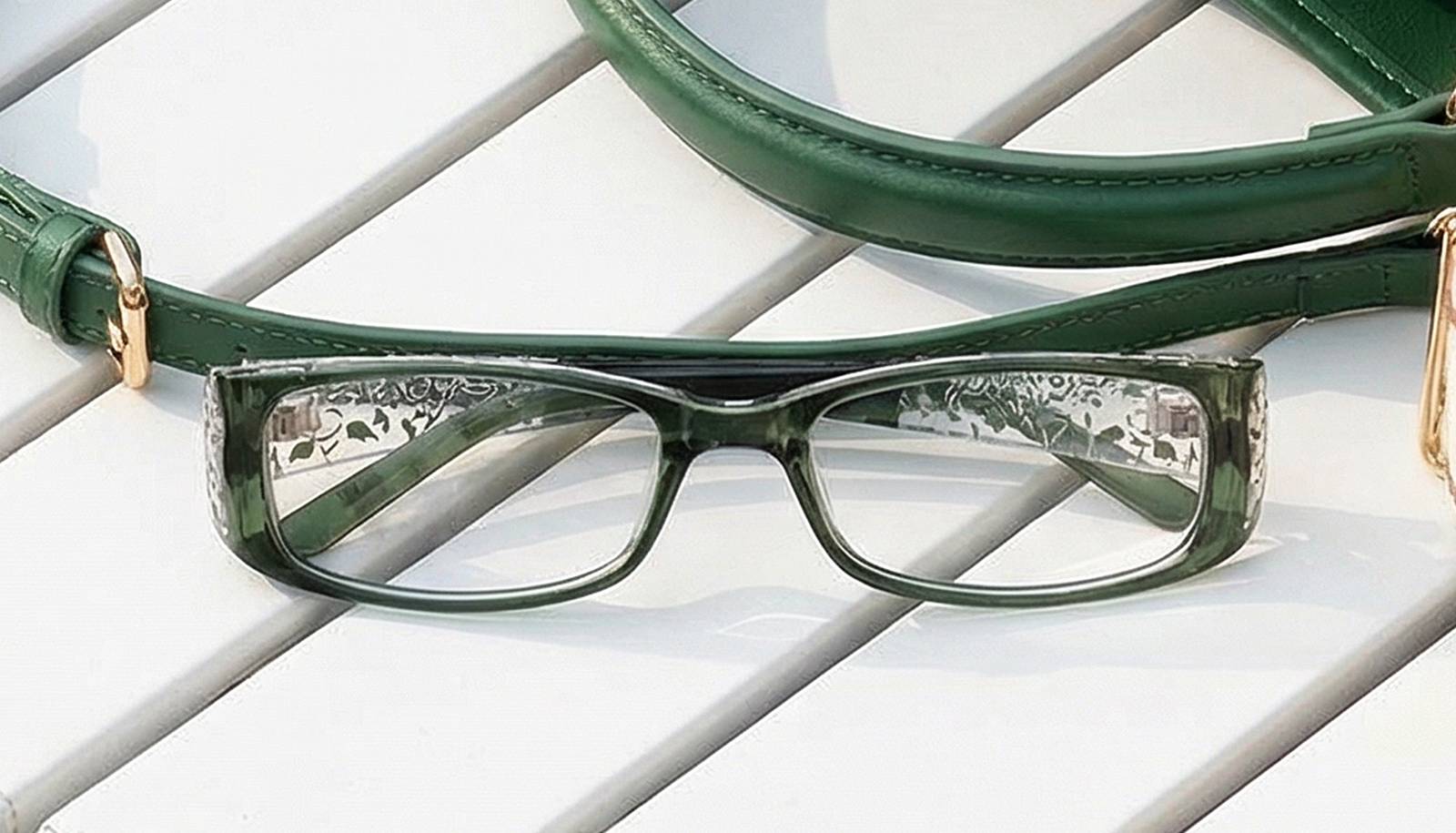
Other Eco-Friendly Glasses Materials Worth Knowing
Acetate is not the only material with sustainability credentials. Several other frame types offer strong environmental benefits from different angles.
Metal and Titanium
Metal frames can be recycled repeatedly without losing structural quality. Titanium is especially notable: it's extremely lightweight, highly durable, and has a long lifespan. A well-maintained titanium frame can last many years, reducing the need for replacement. In regions with strong recycling infrastructure, metal eyewear has excellent end-of-life potential.
TR90
TR90 is a high-performance thermoplastic known for its flexibility and resistance to impact. Its main sustainability advantage is durability. Frames that hold up over years of daily use naturally reduce overall consumption. TR90 is also hypoallergenic and very lightweight, making it a practical long-term choice for many wearers.
Wood and Metal Combinations
Wood is a renewable material, and frames that combine wood accents with metal structures bring natural aesthetics into the sustainable eyewear category. The visual warmth of wood pairs well with the recyclability of metal, making these hybrid frames a strong option for shoppers who want something that looks and feels different.
The Bigger Picture
No single material wins across all categories. The most sustainable choice depends on how a frame is made, how well it fits your lifestyle, and how long you're likely to keep it. Buying a high-quality pair you'll wear for years is more impactful than rotating through "green" options that don't hold up.
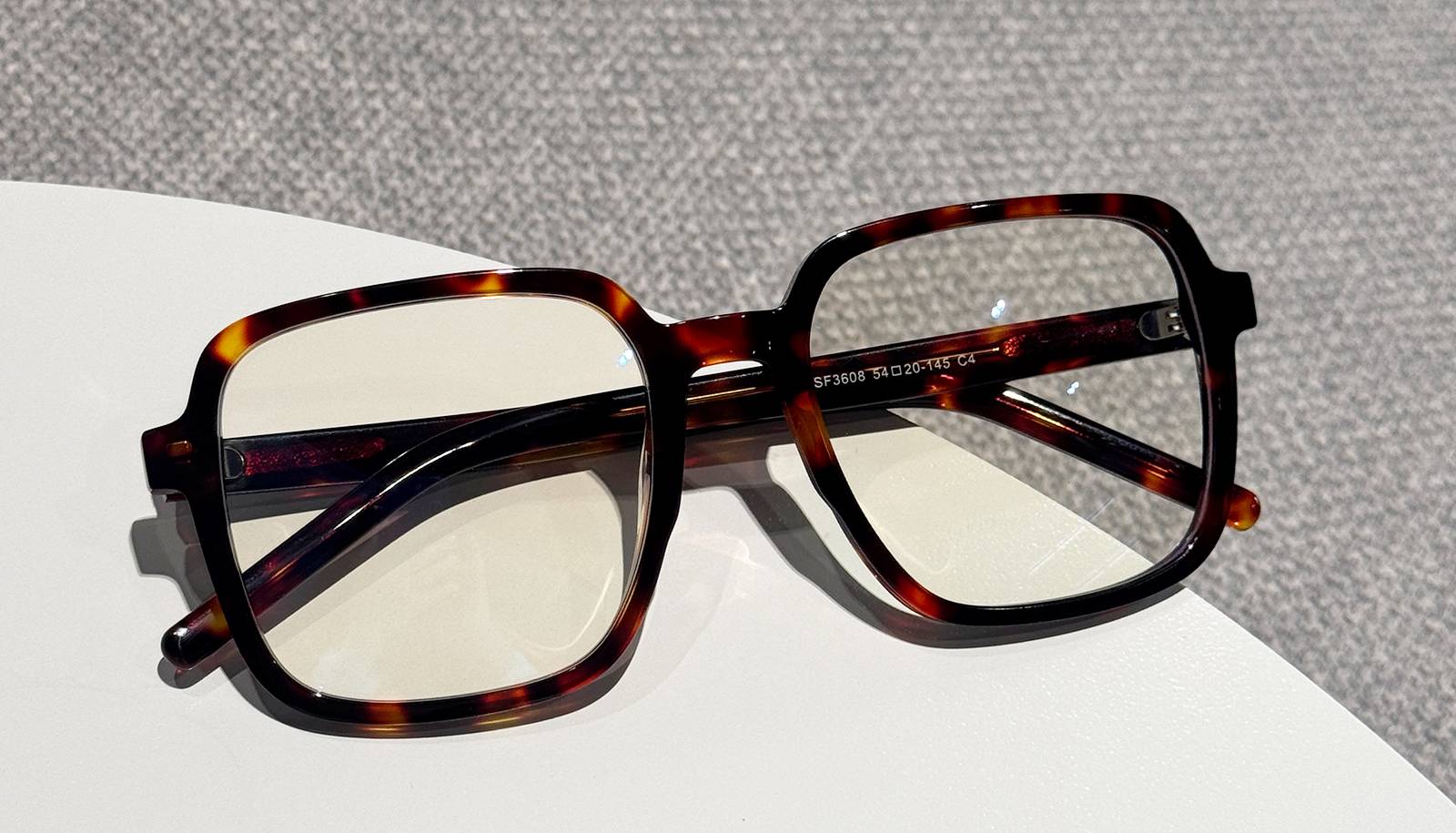
How to Choose Sustainable Glasses Without Getting Lost in Labels
The phrase "eco-friendly" appears on a lot of products. Here are three practical ways to evaluate what's actually behind it.
1. Look for Specific Material Names
A brand that lists "cellulose acetate," "bio-acetate," "titanium," or "TR90" is giving you something concrete to research. A brand that only says "eco-friendly" or "sustainable" without naming the material is giving you very little to go on. Specific language is a good sign. Vague language is worth questioning.
2. Prioritize Durability Over Trendiness
A well-made pair of glasses in a classic style that you wear for five or more years is more sustainable than buying several "green" frames over the same period. Quality construction and timeless design are not purely aesthetic choices. They're environmental ones. Ask about material quality and adjustability before you buy.
3. Pay Attention to Packaging
Brands that take sustainability seriously tend to extend that thinking to packaging. Paper-based boxes, minimal plastic inserts, and recyclable cases are small signals that add up. If a brand ships eco-friendly frames in excessive plastic packaging, that's worth noticing.
These three checks won't catch everything, but they'll help you cut through noise and focus on what's real. Concrete standards help you find a pair of eco-friendly glasses that match their marketing claims.
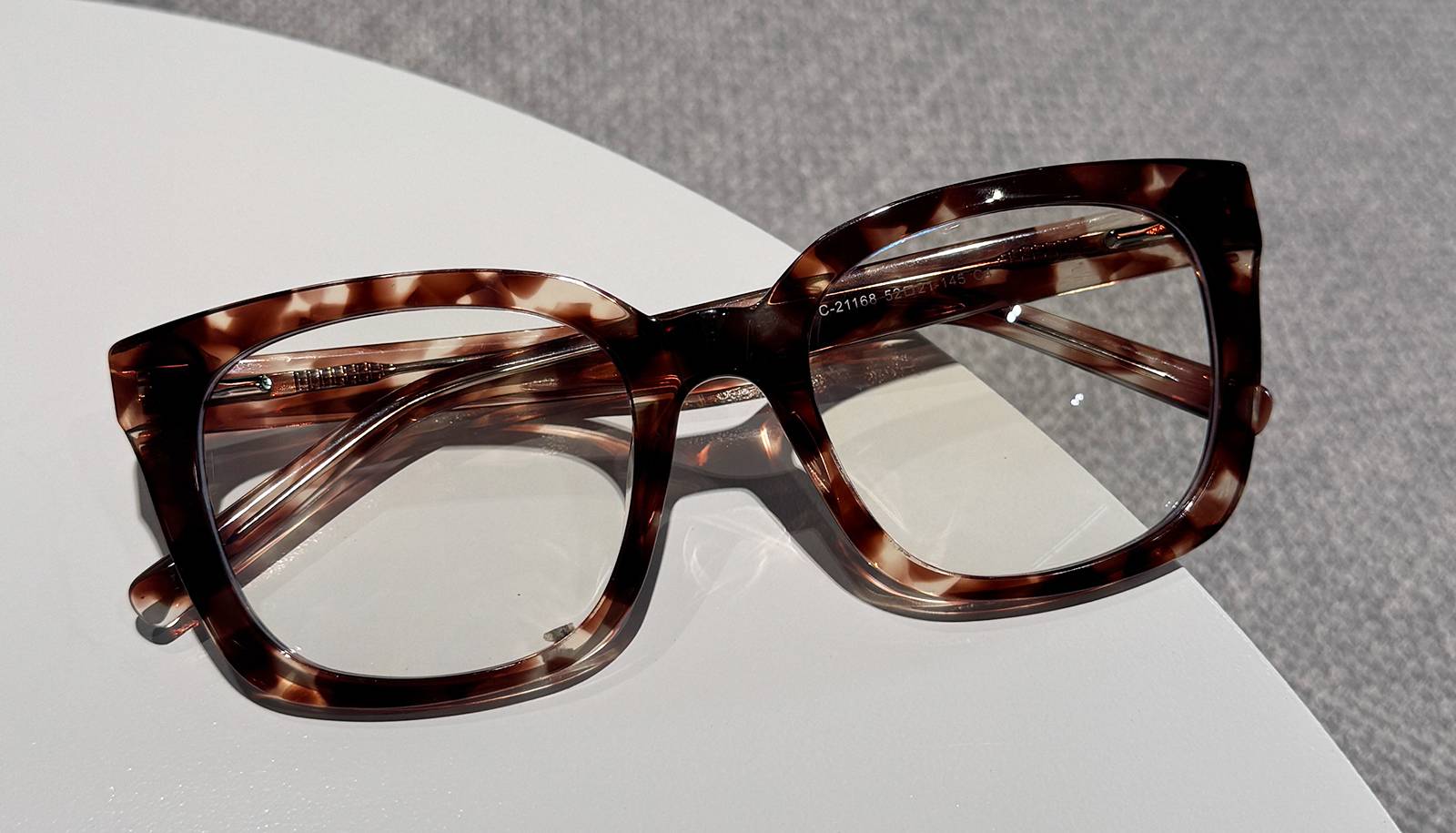
A Good Pair of Glasses Is Already a Green Choice
Eco-friendly glasses are real. Acetate, bio-acetate, metal, titanium, and TR90 each bring genuine sustainability advantages to the table. The differences between them are real too, and worth understanding.
But the most impactful thing any shopper can do is straightforward: buy a well-made pair, take care of it, and keep wearing it. Longevity is the simplest form of sustainable eyewear. At Lensmart, the acetate glasses and full eyeglasses collection includes a wide range of frames built to last. Browse at lensmartonline.com to find a pair worth keeping.
FAQ
Q1: Is acetate eco-friendly?
Yes. Acetate is made primarily from wood pulp and cotton fibers, which makes it a plant-based material with a clear advantage over petroleum-based plastics. Bio-acetate goes further by increasing the plant-based content and meeting international biodegradability standards, making it the stronger option for shoppers focused on eco-friendly glasses materials.
Q2: What is the most sustainable eyeglass frame material?
There isn't one single answer. Acetate and bio-acetate are plant-based and have biodegradable properties. Titanium is lightweight and can be recycled indefinitely. TR90 is highly durable, which reduces how often frames need to be replaced. The most sustainable choice is a high-quality frame in any of these materials that you'll wear for a long time.
Q3: What are bio-acetate glasses?
Bio-acetate is an upgraded version of traditional cellulose acetate. It uses a higher proportion of plant-based materials and reduces fossil fuel inputs. Some bio-acetate formulations have received international certification for compostability and biodegradability, making them one of the more credible options in the sustainable eyewear category.
Q4: Are metal glasses frames more eco-friendly?
Metal frames, particularly titanium, are highly recyclable and have a very long usable life. For shoppers in areas with good recycling access, metal eyewear is a strong sustainable choice. The combination of durability and recyclability gives metal frames excellent long-term environmental performance.
Q5: How do I know if eyeglasses are actually eco-friendly?
Check for specific material names rather than general claims. Look for brands that use eco-conscious packaging and describe their materials in concrete terms. And prioritize quality: a well-made pair of glasses in a classic design that lasts for years is one of the most practical and effective choices in the green eyewear space.