

Glasses Fogging Up? How to Stop Lens Fog in Summer Heat, Masks, and Cold Weather
Foggy lenses at the worst moment: stepping outside on a cold day, pulling up your face mask, or walking into a hot building after being in the heat. Anti fog glasses and the right accessories can make a real difference, and most fixes cost next to nothing. Here is what actually works, and what is worth skipping.
Why Do Glasses Keep Fogging Up?
Fog forms when warm, moist air hits a cooler lens surface. The moisture condenses into tiny water droplets, and that is the white haze you see.
Three situations trigger this most often:
● Cold weather: Your lenses are cold, and the warm air around your face fogs them on contact.
● Face masks: Exhaled air escapes upward from the top of the mask and hits the lens directly.
● Summer heat and humidity: Moving from air-conditioned spaces into hot outdoor air creates the same temperature gap.
The fix is always the same in principle: reduce the temperature gap, redirect the airflow, or treat the lens surface so water cannot bead up.
How Do You Stop Lens Fog When Wearing a Face Mask?
Mask fog is the most common complaint, and it has reliable solutions.
Adjust the Mask Fit First
Most mask fog happens because warm air escapes from the top edge. A mask with a built-in nose wire lets you mold the top to your face, which blocks most of that upward airflow.
Medical tape or specialized mask tape along the top edge works the same way and costs almost nothing.
Wear Your Glasses Over the Mask
Pulling the top of your mask up slightly and resting your glasses on top of it presses the mask against your face. Less gap means less escaped air, and less fog.
Use an Anti-Fog Spray or Wipe
Anti-fog sprays and wipes coat the lens with a thin film that prevents water droplets from clinging to the surface. They work well with mask fog, and most last through several hours of wear until reapplication is needed.
Apply to a clean, dry lens. Buff gently with a microfiber cloth. Do not use paper towels, which can scratch the coating.
What Glasses Accessories Work Best for Anti Fog
Not all anti-fog products are equal. Here is how the main options compare.
Product | How It Works | How Long It Lasts | Best For |
Anti-fog spray | Coats lens surface to repel moisture | 1 day to a few days | Everyday use, masks |
Anti-fog wipes | Single-use spray alternative | Single application | Travel, on the go |
Nose wire mask clips | Seals mask top to redirect airflow | Reusable | Mask fog specifically |
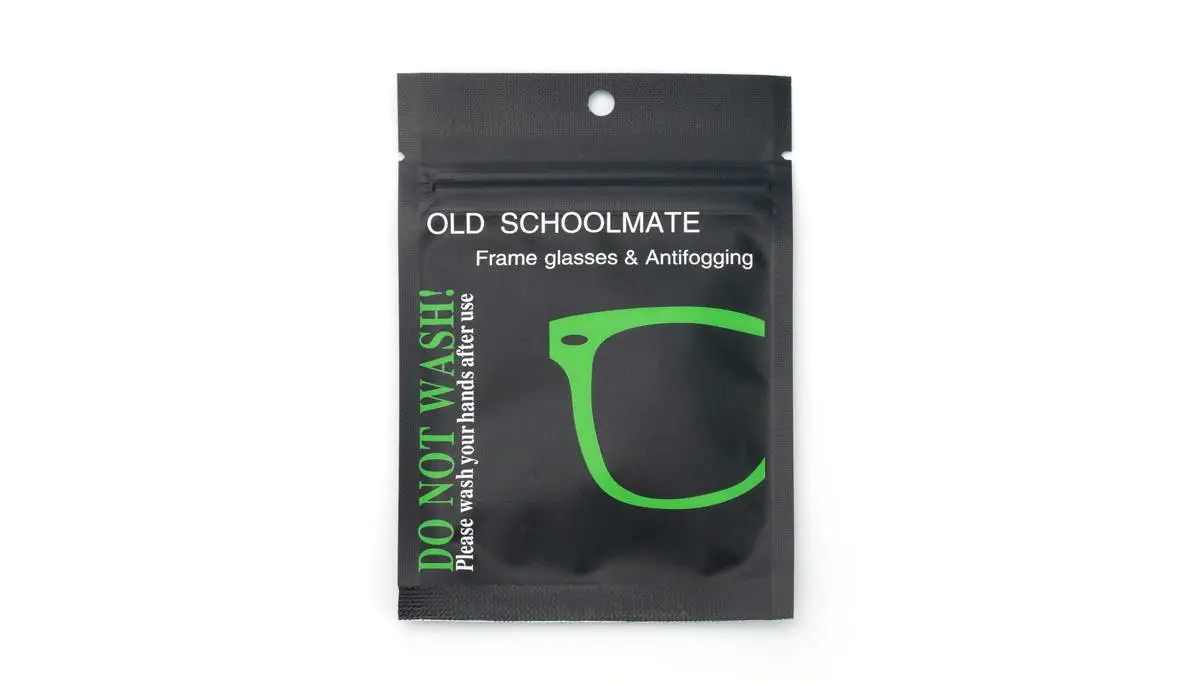
Anti-fog lens cloth | Temporary film left on lens after wiping | A few hours | Quick fix |
What to Look for in an Anti-Fog Spray
● Safe for coated lenses, including anti-reflective (AR) coatings
● Compatible with polycarbonate and high-index lenses
● Does not leave a greasy residue
Avoid sprays marketed for car windshields or industrial use. These are often too harsh for optical lenses and can damage coatings over time.
Microfiber Cloths Are Not Enough on Their Own
A dry microfiber cloth removes existing fog but does not prevent the next round. Pair it with a spray or wipe for lasting results.
Should You Buy Permanent Anti Fog Glasses for Daily Wear?
If you fog up constantly, a one-time spray is not going to cut it. A permanent anti-fog coating applied during lens manufacturing is worth looking at.
What Anti-Fog Coatings Do
Anti-fog coatings are hydrophilic, meaning they attract water and spread it evenly across the lens surface instead of letting it bead into droplets. The result is a thin, nearly invisible film of water rather than haze.
These coatings are applied at the factory and do not wear off the way spray products do. They are especially useful for:
● People who wear masks for long shifts (healthcare workers, retail staff, teachers)
● Anyone who moves frequently between cold and warm environments
● Athletes or people who run or cycle outdoors
Anti-Fog Coating vs Anti-Reflective Coating
These are not the same thing, and not all lenses with AR coating are also anti-fog.
Coating | What It Does | Reduces Fog? |
Anti-reflective (AR) | Reduces glare and reflections | No |
Anti-fog | Prevents moisture from beading | Yes |
Anti-fog + AR combo | Both benefits in one lens | Yes |
When ordering prescription glasses online, check the lens customization step at checkout. Anti-fog is sometimes listed as a separate add-on, and it is worth confirming what is included with your chosen lens type.
Frame Style Matters Too
Frames that sit closer to the face trap more warm air near the lens. If you fog up frequently, frames with a slight gap between the lens and your face allow better airflow. Wraparound styles are the worst for fog; open-bridge frames tend to be better.
Clear Vision Starts Here
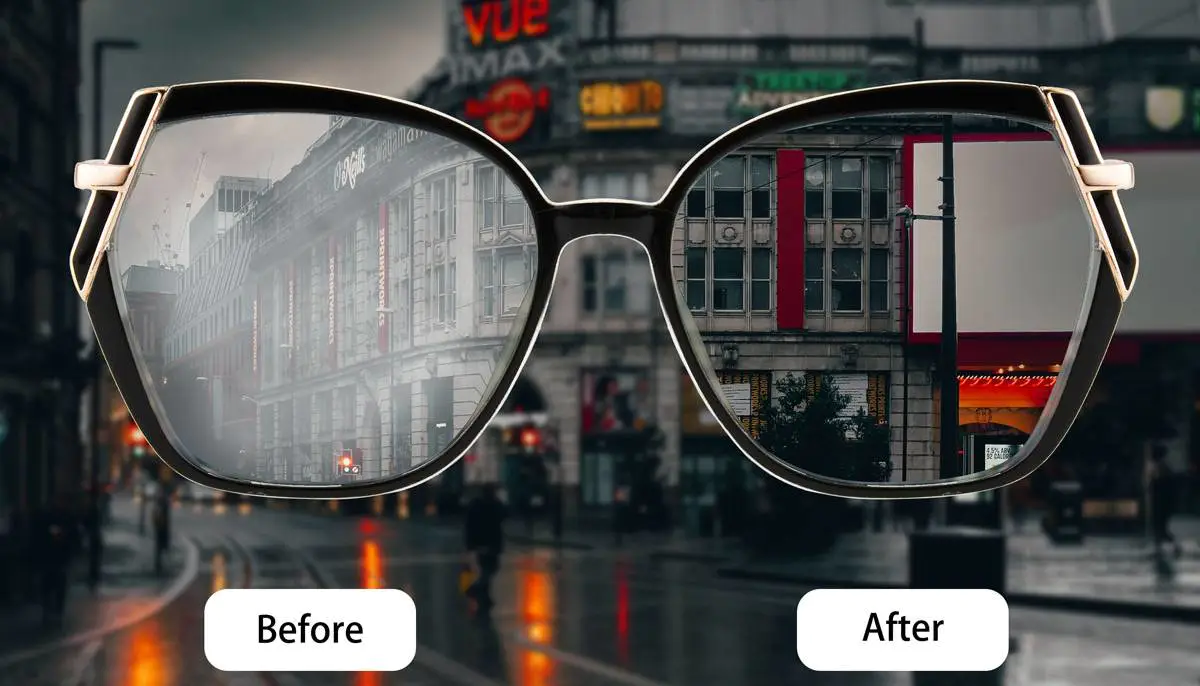
Fog is a friction problem, and small adjustments fix most of it. Adjust the mask, add a spray, or look into anti-fog coating at your next lens order.
For a quick and reliable daily fix, a fog-proof cloth is worth keeping in your glasses case. One wipe keeps lenses clear for up to 24 hours, and it works on any frame. Lensmart's accessories section is a good place to start if you want to grab one alongside your next order.
Frequently Asked Questions
Q1: Can I Add an Anti-Fog Coating to My Current Prescription Glasses?
No, not to existing lenses. Anti-fog coatings are applied during manufacturing and cannot be added afterward. Your options for current lenses are anti-fog sprays, wipes, or cloths. For a permanent fix, you would need to order new lenses with the coating included.
Q2: How Long Do Anti-Fog Sprays and Wipes Usually Last?
It depends on the product and conditions. Most anti-fog sprays last anywhere from a few hours to a full day with normal wear. Wipes tend to be shorter-lasting. Reapply whenever fogging returns. High humidity and mask wear will shorten the effective window.
Q3: Does the Shaving Cream Trick Really Stop Glasses from Fogging?
Yes, it works temporarily. Apply a small amount of shaving cream to each lens, let it sit for a few seconds, then buff off with a soft cloth. The surfactants in the cream leave a thin film that reduces surface tension. It is not as reliable or long-lasting as a proper anti-fog spray, but it works in a pinch.
Q4: Does Anti-Fog Coating Affect Lens Clarity or Vision Quality?
No. A properly applied anti-fog coating does not affect optical clarity. You should not notice any change in how sharp or clear your vision feels. If a coated lens looks hazy or distorted, that is a sign of a low-quality coating or improper application, not a normal side effect.
Q5: Why Do My Glasses Fog Up More in Summer Than Winter?
Summer fog usually happens when moving from cold air-conditioning into warm, humid outdoor air. The lenses are cool from the AC, and the humid outdoor air condenses on the surface immediately. The fix is the same as cold-weather fog: an anti-fog coating or spray reduces how much moisture clings to the lens surface.