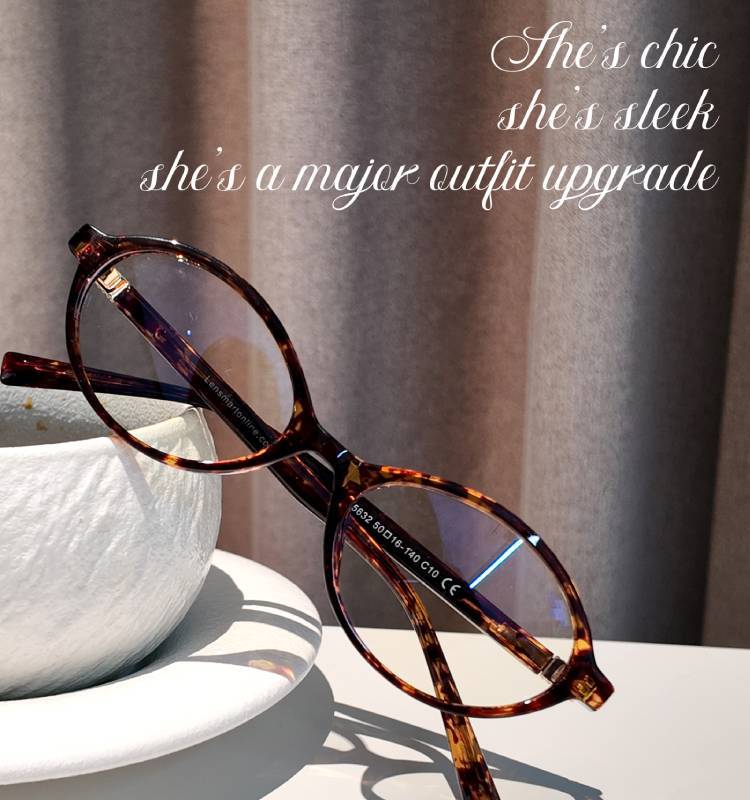



Blue Light vs Anti-Fatigue Lenses: Which One Do You Actually Need?
Staring at screens all day? Your eyes are probably telling you about it. Between work, scrolling social media, and binge-watching shows, our eyes are working nonstop. But when it comes to helping them out, things get confusing fast. Blue light lenses, anti-fatigue lenses, computer glasses—what's what, and do you really need both? Let's make it simple.

What Are Blue Light Lenses?
Blue light lenses are basically a filter for your glasses. They block some of the blue light coming from your phone, computer, and even the sun.
Here's why that matters: Blue light has a shorter wavelength and higher energy than other colors of light. According to Sleep Foundation, this type of light can suppress melatonin—the hormone that tells your body it's time to sleep. When you're scrolling through your phone at 11 PM, your brain thinks it's noon, which throws off your whole sleep cycle.
What they do:
● Cut down on blue light from screens and LED lights
● Reduce glare so your screen is easier to look at
● May help you sleep better after late-night scrolling
Most blue light lenses look totally normal—clear or just slightly tinted. You won't look like you're wearing sunglasses indoors.
What Are Anti-Fatigue Lenses?
Anti-fatigue lenses work differently. Instead of blocking light, they help your eye muscles work less hard during close-up tasks like reading or typing.
Here's the science made simple: When you look at something close up, tiny muscles inside your eye squeeze your lens to focus the image. It's called accommodation, and it's basically a workout for your eyes. Do it for hours straight, and those muscles get exhausted—just like your legs would after running a marathon. That's when you get headaches, blurry vision, and that "my eyes are so tired" feeling.
The secret: There's a small power boost in the bottom part of the lens (usually around +0.60 to +0.87 diopters). It's like giving your eyes a little help so they don't have to strain as much when you're focused on something up close.
What makes them special:
● Small power increase at the bottom of the lens
● Help your eyes relax when looking at nearby stuff
● Look just like regular lenses—no lines or anything
● Perfect if you're not ready for reading glasses but your eyes get tired
They're great if you're constantly looking between your screen, your desk, and around the room.
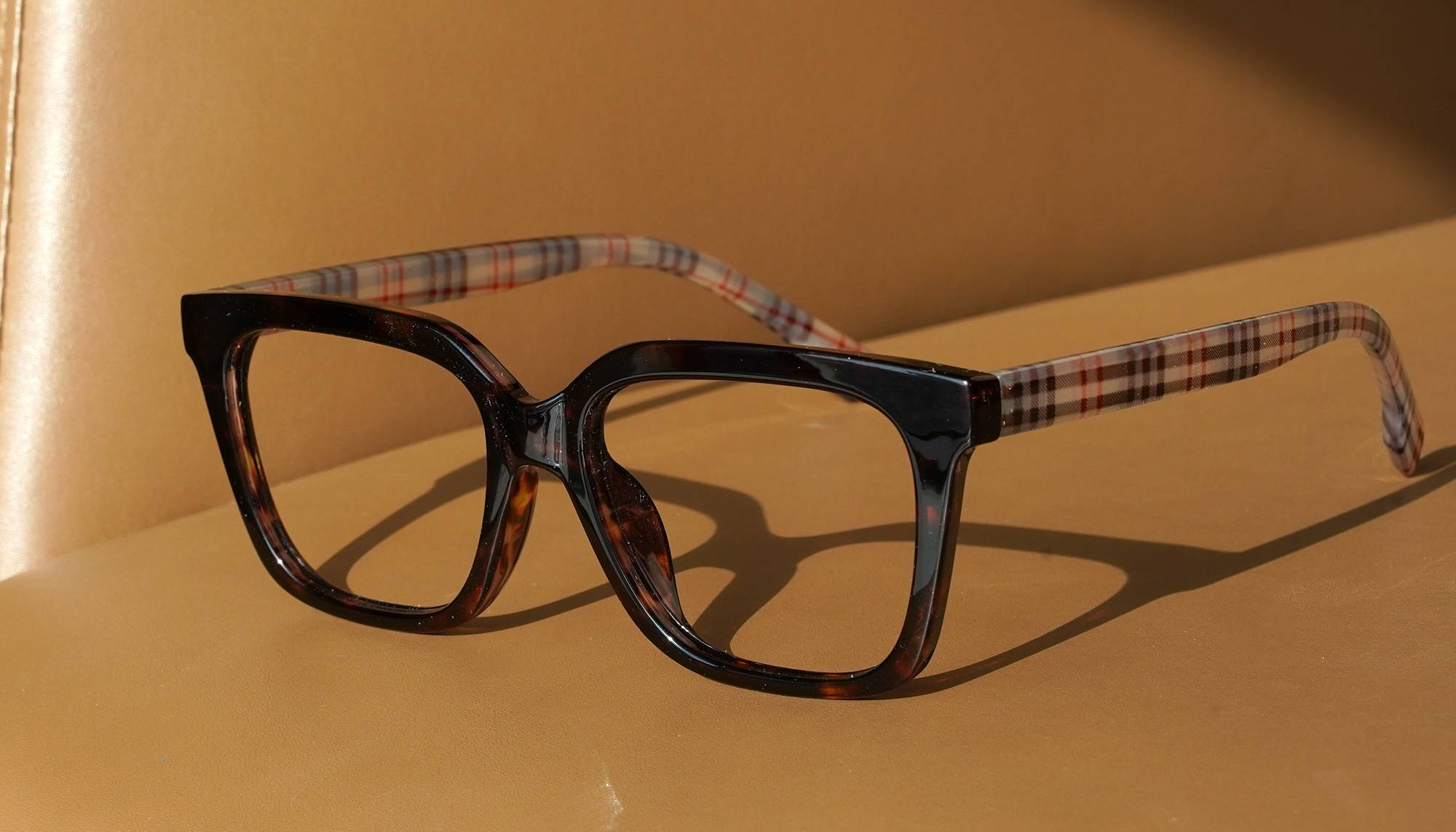
Blue Light vs Anti-Fatigue Lenses: What's the Difference?
Feature | Blue Light Lenses | Anti-Fatigue Lenses |
What They Do | Filter out blue light wavelengths | Reduce accommodation effort |
Best For | Night screen time, sleep problems | All-day close work, tired eyes |
How They Work | Special coating blocks light | Power boost relaxes eye muscles |
Helps With | Better sleep, less glare | Fewer headaches, clearer vision |
Get Them If | Screens keep you up at night | Your eyes feel exhausted by afternoon |
Simple version: Blue light lenses change what light gets to your eyes. Anti-fatigue lenses help how your eyes work.
Do You Need Both?
It depends on what's bugging your eyes.
Get blue light lenses if:
● You use screens at night and can't fall asleep
● Bright lights bother you
● You work under harsh LED or fluorescent lighting
● Screen glare drives you nuts
Get anti-fatigue lenses if:
● You get headaches after working
● Things look blurry by the afternoon
● You're always switching between looking at different things
● Your eyes feel tired and overworked
● You're under 45 but noticing more eye strain
Can you combine them?
Yep! You can get anti-fatigue lenses with blue light filtering added on. This combo works great if you're dealing with tired eyes during the day and trouble sleeping at night.
But you don't always need both. If sleep is your only issue, just blue light lenses might be enough. If your eyes are tired but you sleep fine, go for anti-fatigue.
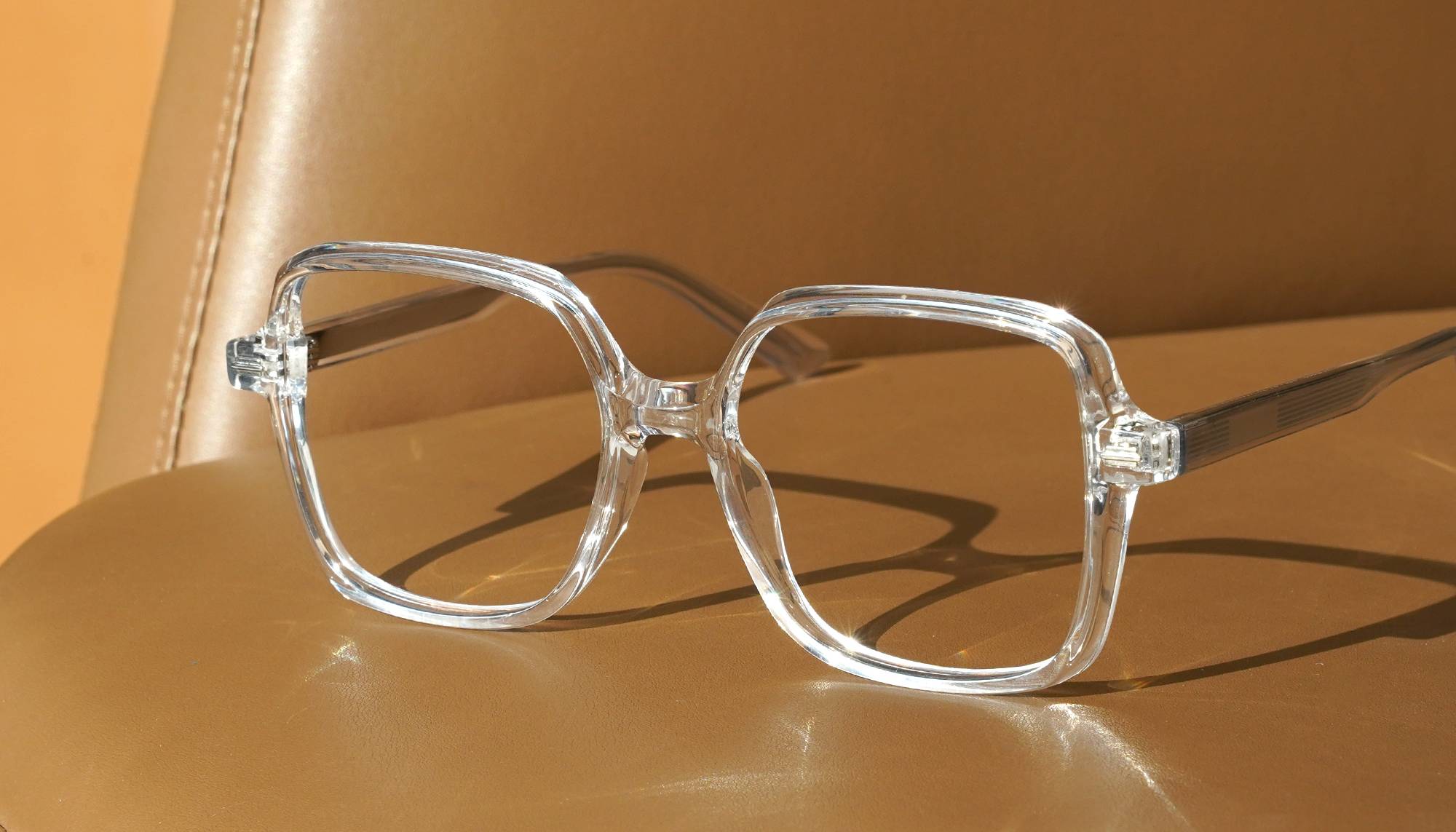
Other Helpful Lens Features
A few other things that can make your glasses better:
Anti-reflective coating: Cuts glare from screens and overhead lights. Makes a huge difference in bright offices.
Scratch-resistant coating: Keeps your lenses looking new. Usually comes standard on good lenses.
UV protection: Blocks sun damage. Important even if you mostly wear glasses indoors.
High-index lenses: If you have a strong prescription, these are thinner and lighter—way more comfortable.
Think about where you spend your time. Bright office? Get anti-reflective coating. Moving between indoors and outdoors a lot? Consider transition lenses.
Easy Ways to Help Your Eyes
Good lenses help, but your habits matter too. Simple behavioral changes can make a real difference in reducing digital eye strain.
Try these:
The 20-20-20 rule: Every 20 minutes, look at something 20 feet away for 20 seconds. Quick break for your eyes.
Fix your screen position: Keep it arm's length away, top at or below eye level.
Better lighting: Don't sit with windows behind your screen. Use a desk lamp instead of harsh overhead lights.
Blink more: We forget to blink when staring at screens. Normally we blink about 15-20 times per minute, but that drops to only 5-7 times when we're focused on a screen. Do it on purpose to keep your eyes from drying out.
Take breaks: Get up every hour. Stretch, walk around, rest your eyes.
Drink water: Dehydration makes dry eyes worse.
Good habits plus the right lenses = happier eyes.
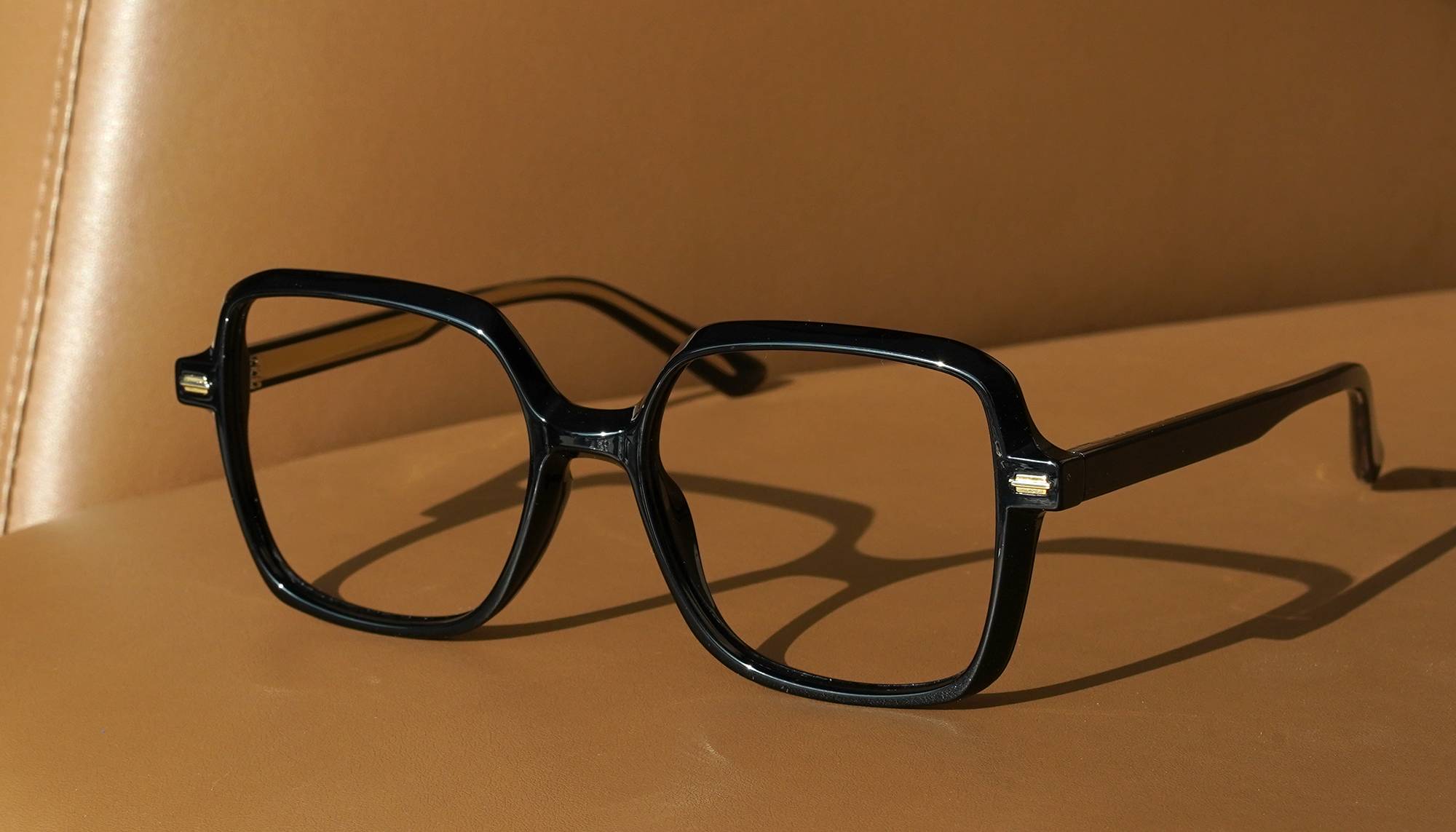
Get What You Need at Lensmart
Ready to help your eyes feel better? At Lensmart, you can customize glasses that actually work for your life. Need professional-looking frames for work? Casual styles for everyday? We've got both, and everything's affordable.
Check out our blue light glasses collection or explore all our lens options.
FAQ
Q1: Can I wear blue light glasses all day?
You can, but you don't really need to. Blue light during the day actually helps keep you alert and awake. The real issue is nighttime screen use interfering with sleep. Your best bet? Wear them in the evening when you're winding down.
Q2: Are anti-fatigue lenses the same as reading glasses?
Not quite. Reading glasses have one strength throughout the whole lens and are for people who can't see close-up clearly anymore (usually 40+). Anti-fatigue lenses just have a tiny boost at the bottom to help your eyes relax during close work. Think of them as a helping hand for younger eyes that aren't ready for reading glasses yet.
Q3: How much do anti-fatigue lenses cost?
They're pricier than regular lenses—roughly three times the cost. But if you're getting headaches or tired eyes every afternoon, they're usually worth it for the relief alone.
Q4: Will blue light lenses make everything look yellow?
Nope! That was the old version. Today's blue light lenses are almost completely clear. You might notice the slightest warm tint if you look closely, but most people don't even notice after a few minutes.
Q5: Can kids benefit from these lenses?
Definitely. Kids staring at homework or screens for hours can get tired eyes too. Anti-fatigue lenses can help with that strain, and blue light lenses might help if late-night device use is affecting their sleep. Worth chatting with their eye doctor about what makes sense.