



Beach and Pool Glasses Guide: How to Protect Your Eyewear in Sand, Salt, and Chlorine
Sun, water, and sand feel great on a beach day. Your glasses, not so much. Salt water, chlorine, and fine sand each attack eyewear in different ways, and most people only notice the damage after it has already happened. Knowing which sunglasses hold up, how to use accessories like fit over sunglasses and clip on sunglasses, and how to clean up properly afterward keeps your eyewear in good shape all season.
Quick Answers
● Sand, salt, and chlorine all damage lens coatings and frames over time.
● Swimming goggles protect your eyes in the water. Sunglasses do not.
● Fit over sunglasses cover your prescription frames and block UV from all sides.
● Clip on sunglasses are compact and easy for beach bags, but watch the sand.
● Rinse your glasses with fresh water every time you come out of the ocean or pool.

Can Sand, Salt, and Chlorine Ruin Your Sunglasses?
Yes, and faster than most people expect. Each one damages eyewear differently.
Sand
Sand particles are sharp at the microscopic level. When they land on a lens and get wiped off, they scratch the surface. This is especially damaging to anti-reflective (AR) coatings and polarized film layers. Scratches from sand are permanent.
What to do: Never wipe sandy lenses with a dry cloth. Rinse first with water to float the particles off, then dry.
Salt Water
Salt water leaves mineral deposits on lenses and frames when it dries. Over time, these deposits etch into lens coatings. Salt also corrodes metal hinges and nose pads, and it can cause acetate frames to swell or discolor.
What to do: Rinse sunglasses with fresh water after every ocean swim or splash, even if they just got wet briefly.
Chlorine
Pool water is treated with chlorine and other chemicals. Repeated exposure breaks down lens coatings, causes tinting to fade, and weakens the bonds in acetate frames. Many sunglasses show yellow or cloudy lenses after a summer of pool use.
What to do: Keep sunglasses off while swimming. Rinse them after poolside exposure, since splashing still gets chemicals on the lenses.
Damage Type | What It Attacks | How to Prevent It |
Sand | Lens coatings, polarized film | Rinse before wiping |
Salt water | Coatings, metal parts, acetate | Fresh water rinse after ocean contact |
Chlorine | Tint, coatings, frame bonds | Avoid swimming in sunglasses. Rinse after poolside use |
Polarized lenses and AR-coated lenses are particularly vulnerable. If your sunglasses have either coating, taking protective steps is worth it.
Are Swimming Goggles the Right Choice for the Pool?
For actual swimming, yes. Sunglasses are not made to be submerged. Swimming goggles create a sealed, watertight fit that keeps chlorinated water out of your eyes and off your lenses entirely.
Goggles vs. Sunglasses at the Pool
Situation | Best Option |
Swimming laps or diving | Swimming goggles |
Sitting poolside or in the sun | Sunglasses |
Snorkeling in shallow water | Snorkel mask |
Kids splashing in the shallow end | Swim goggles |
Prescription swimming goggles are also available if you need vision correction in the water. They are made with optical-grade lenses ground to your prescription, similar to standard glasses.
For poolside use, sunglasses are fine. The risk comes when they get submerged or soaked with chlorinated water repeatedly, so keeping them on your nose or in a case while you are in the water is the practical call.
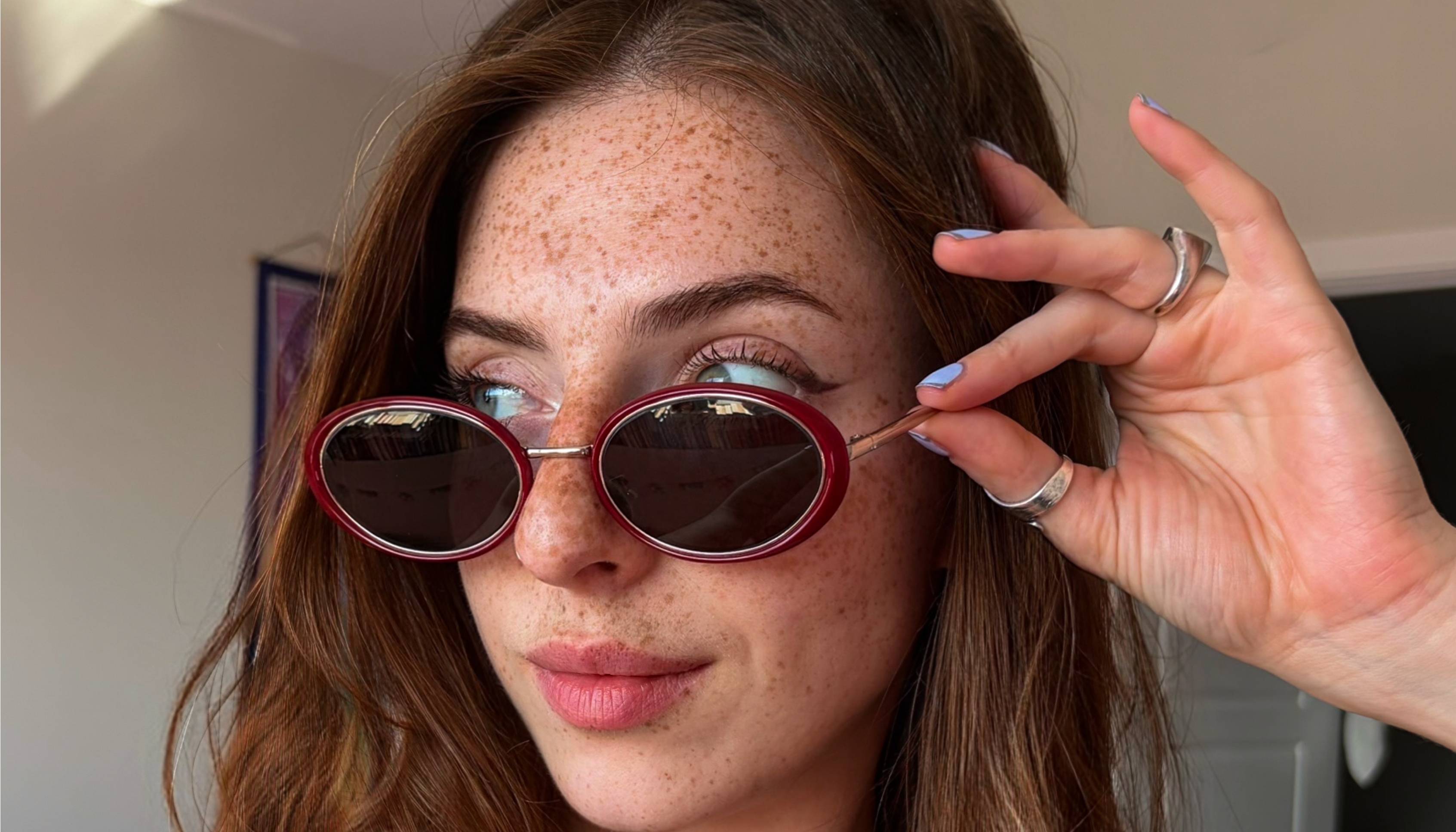
Can Fit Over Sunglasses Protect Your Glasses at the Beach?
Yes, and they do it well. Fit over sunglasses are designed to wear directly over prescription frames. They have a wider, wrap-around build that covers your existing lenses from the front and sides.
Why Fit Overs Work at the Beach
● Side coverage blocks UV and glare that sneaks in from the edges, which matters when sun reflects off water and sand.
● Full frame protection means your prescription lenses are shielded from salt spray and sand particles.
● No swap needed: you keep your prescription glasses on and just add the fit overs on top.
The main downside is bulk. Fit over sunglasses are larger than standard frames. For a full beach day with lots of walking and activity, they work well. For water sports or anything active, they can feel cumbersome.
Fit over sunglasses from Lensmart start at affordable prices and come in polarized options, which cut reflected glare significantly on water and wet sand.
Are Clip On Sunglasses Easy to Use for a Beach Trip?
Yes, for most situations. Clip on sunglasses attach to the front of your prescription frames and add tinted lenses without carrying a second pair. They are small enough to drop in a beach bag and quick to attach when you head outside.
Types of Clip-Ons
● Standard clip-ons clamp onto the nose bridge area. Affordable and widely available.
● Flip-up clip-ons hinge upward so you can flip them out of the way without removing them.
● Magnetic clip-ons use magnets built into compatible frames for a secure, no-scratch attachment.
Things to Watch at the Beach
Sand is the main concern with clip-ons. The attachment mechanism can trap sand particles, and clipping or unclipping with sandy hands risks scratching the prescription lenses underneath. Keep them in a hard case when not in use.
Salt water is also a factor. Clip-ons that use metal clips can corrode at the joints with repeated salt exposure. Rinse them with fresh water the same way you would regular sunglasses.
For a day that is mostly dry, like sunbathing, walking the boardwalk, or eating outdoors, clip on sunglasses are a practical, low-bulk option. For heavy beach activity or water sports, a dedicated pair of sunglasses is a more secure fit.
Lensmart carries clip on sunglasses in polarized and non-polarized options to fit a range of frame shapes and sizes.

How Should You Clean Your Glasses After the Beach?
Cleaning right after a beach or pool day prevents long-term coating damage. The key is to remove salt, chlorine, and sand before they dry and bond to the surface.
Step-by-Step Post-Beach Clean
1. Rinse under cool running water. Lukewarm is fine. Hot water can warp frames or weaken lens adhesives. This step floats off sand and dissolves salt or chlorine residue.
2. Apply a small drop of dish soap to each lens and work it gently with your fingertips. Dish soap cuts through sunscreen, oils, and mineral deposits.
3. Rinse again until the soap is fully gone.
4. Dry with a clean microfiber cloth. Paper towels and shirt fabric are rough enough to leave micro-scratches.
5. Check the hinges and nose pads. Use a soft toothbrush with water to clear salt or sand from metal joints. Dry thoroughly before storing.
What Not to Do
● Do not use window cleaner or household glass cleaner. They contain ammonia, which strips lens coatings.
● Do not wipe dry without rinsing first if there is any sand on the lenses.
● Do not leave sunglasses in a hot car after a beach day. Heat accelerates coating breakdown, especially on lenses already stressed by salt or chlorine.
A hard case keeps lenses safe during transport and stops sand from settling on the surface between uses.
Keep Your Eyewear in Shape This Season
Salt, sand, and chlorine all do real damage to sunglasses over time, but most of it is preventable with a quick rinse and proper storage. The right pair matters too. Polarized lenses handle glare on water and sand better, and impact-resistant materials hold up to beach conditions. At Lensmart, you can find prescription sunglasses, clip on sunglasses, and fit over sunglasses at prices that make protecting your eyewear easier. Check out the full selection at Lensmart Stylish Prescription Sunglasses.

FAQs
Q1: Can I wear my prescription glasses in the ocean?
No. Salt water corrodes metal parts, damages lens coatings, and waves can pull frames off your face. If you need vision correction in the water, prescription swimming goggles are the practical option.
Q2: How do you get sand out of glasses hinges without scratching them?
Rinse under running water first, then use a soft toothbrush with a drop of dish soap to clear remaining particles. Rinse again and dry with a microfiber cloth. Never use metal tools on hinges.
Q3: Is it okay to leave sunglasses in a hot car at the beach?
No. A parked car can hit 140°F (60°C) in summer, which warps frames, loosens lens adhesive, and breaks down coatings. Keep them in a case in a cool bag or take them with you.
Q4: Can sunscreen damage sunglasses lenses?
Yes. Sunscreen, especially spray formulas, can cloud or strip lens coatings if it dries on the surface. Apply sunscreen before putting your glasses on, and wipe any residue off immediately with a damp microfiber cloth.
Q5: Are polarized sunglasses worth it at the beach?
Yes. Polarized lenses cut horizontal glare reflecting off water and wet sand, which reduces eye strain in bright conditions. They do not block more UV than standard lenses, but the comfort difference is noticeable. Lensmart carries polarized options in both sunglasses and clip-on styles.