




The Showering Protocol: Protecting Your Eyes from Tap Water
The Morning Routine Mistake That Puts Your Vision at Risk
It’s a common scenario: you’re rushing to get ready, and taking out your contact lenses before hopping in the shower feels like one step too many. You might think, "It's just a quick rinse, what's the harm?" The truth is, this seemingly harmless habit is one of the most significant risks you can take with your eye health. Exposing your contact lenses to any type of water—especially from the shower—can lead to severe, sight-threatening infections.
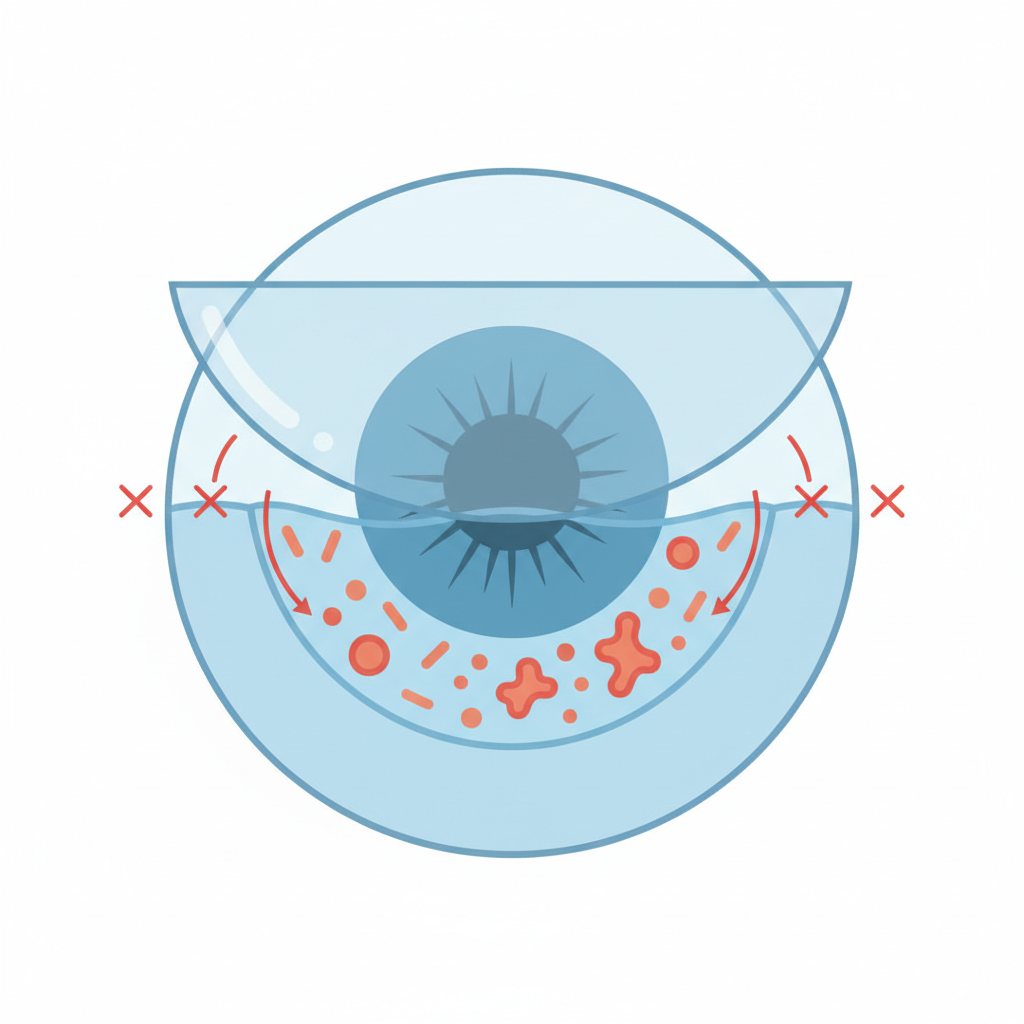
When water hits your eye, it can create a suction effect, trapping water between your lens and your cornea. This isn't just any water; it's a brew of microorganisms that can cause devastating damage. This guide will break down the science behind the danger, explain the emergency protocol for accidental exposure, and establish a safe routine to protect your eyes.
The Unseen Dangers in Your Tap Water
To the naked eye, the water from your shower seems perfectly clean. However, it contains a host of microorganisms that are harmless to drink but dangerous to your eyes, especially when trapped by a contact lens. The primary culprit is a microscopic organism called Acanthamoeba.
According to the U.S. Environmental Protection Agency (EPA), Acanthamoeba is commonly found in tap water, well water, lakes, oceans, and swimming pools. If this parasite infects the cornea, it causes Acanthamoeba keratitis, a severe eye infection that is notoriously difficult to treat and can lead to permanent vision loss or the need for a corneal transplant.

But the risk doesn't stop there. Tap water also contains bacteria like Pseudomonas aeruginosa, a frequent cause of microbial keratitis. The Centers for Disease Control and Prevention (CDC) identifies improper cleaning and extended wear as key behaviors that compromise the eye's natural defenses, allowing these germs to invade. A contact lens acts like a petri dish, creating a warm, moist environment where these pathogens can multiply rapidly.
Methodology Note: The risks described are based on established clinical observations and public health data from organizations like the CDC and EPA. They highlight that while the incidence of severe infections is low, the consequences can be catastrophic, making prevention essential. The consensus among eye care professionals is that no contact lens should ever be exposed to non-sterile water.
How Showering Traps Contaminants Against Your Eye
The physical design of a soft contact lens makes it act like a sponge. When you shower, two dangerous things happen:
- The Suction Effect: As water splashes onto your face, the lens can swell and tighten, creating a seal around your cornea. This traps whatever is in the water directly against your eye's most sensitive surface, preventing your tears from flushing it away.
- Environmental Contamination: The warm, steamy bathroom is a perfect breeding ground for bacteria and mold. As one practitioner noted, aerosolized water from the shower can easily contaminate a contact lens case left open on the counter. You might put your lenses in a "clean" case, not realizing it was contaminated by the bathroom environment itself.
This is why the fundamental rule exists: water and contact lenses do not mix.
The Emergency Protocol: What to Do if Your Lenses Get Wet
Accidents happen. If you forget to remove your lenses or get splashed with water, you must act immediately. Optometrists follow a strict heuristic known as the '24-hour rule,' but for users, the rule is even simpler: immediate disposal.
Many people, especially those with expensive monthly lenses, are tempted to "save" a contaminated lens by re-disinfecting it. This is ineffective. Pathogens like Pseudomonas can form a protective layer called a biofilm, which standard cleaning solutions cannot penetrate.
If your lenses have any contact with non-sterile water (shower, pool, tap), follow these steps:
- Stay Calm and Don't Rub: Rubbing your eyes can cause microscopic abrasions on the cornea, giving germs an easy entry point.
- Wash Your Hands: Before touching your eyes, wash your hands thoroughly with soap and water, and dry them with a clean, lint-free towel.
- Remove the Lenses Carefully: Gently remove the contact lenses.
- Discard Immediately: Do not try to save them. Throw the lenses away. They are considered contaminated beyond recovery.
- Switch to Glasses: Give your eyes a rest and wear your backup prescription glasses for the remainder of the day.
- Monitor Your Eyes: Pay close attention to how your eyes look and feel over the next 24-48 hours.
Recognizing the Signs of Infection
Early detection is critical for successfully treating an eye infection and preventing long-term damage. According to the FDA, if you experience any of the following symptoms after a water exposure incident, you must contact your eye doctor immediately:
- Redness that doesn't go away
- Pain or discomfort in the eye
- A gritty feeling, or the sensation that something is in your eye
- Unusual sensitivity to light
- Sudden blurry or hazy vision
- Watering or unusual discharge
Don't wait for the symptoms to become severe. A study published in the Morbidity and Mortality Weekly Report found that about one-third of contact lens wearers have experienced a red or painful eye that required a doctor's visit. Prompt action can be the difference between a course of antibiotic drops and a fight to save your vision.
FAQ: Common Questions About Water and Contacts
Q: What if it was just a tiny splash of water? Do I still need to throw the lenses out?
A: Yes. It only takes one microorganism to start an infection. The risk, however small it may seem, is not worth taking with your eyesight. The universal recommendation from eye care professionals is to discard the lens.
Q: Can I swim with my contact lenses in a pool or the ocean?
A: No. Pools and oceans are also teeming with microorganisms, including Acanthamoeba. If you need vision correction for swimming, the safest option is a pair of prescription swimming goggles.
Q: I left my lens case on the bathroom counter while I showered. Is it still safe?
A: It's a significant risk. Aerosolized water can settle in the case. Best practice is to store your case and solution inside a closed drawer or medicine cabinet, away from the humidity and spray of the shower and toilet.
Q: Are daily disposable lenses a safer choice?
A: For many people, yes. Daily disposables eliminate the risks associated with inadequate cleaning, contaminated cases, and topping off old solution. By starting with a fresh, sterile pair each day, you significantly reduce the chances of infection.
This article is for informational purposes only and does not constitute professional medical advice. If you have concerns about your eye health or are experiencing symptoms of an infection, consult a qualified eye care professional immediately.


