

Are Non-Prescription Blue Light Glasses Safe for Kids?
Are Non-Prescription Blue Light Glasses Safe for Kids? A Parent’s Guide
With screens becoming a staple in children's education and entertainment, many parents are rightly concerned about the potential impact on their children's eye health. This has led to a surge in popularity for non-prescription blue light blocking glasses. But a crucial question remains: are they actually safe for a child's developing eyes?
The short answer is that when chosen correctly, these glasses are physically safe. However, their benefits are often misunderstood, and their use requires specific guidelines. This article will provide a clear, evidence-based guide to help you understand the real science behind blue light glasses, debunk common myths, and learn how to choose a pair that is genuinely safe and effective for its intended purpose.
TL;DR: The Short Version for Busy Parents
- Physical Safety is Key: The most important safety factor is impact resistance. For children, always choose lenses made from polycarbonate or Trivex, as they are shatterproof. All glasses sold in the U.S. must meet the FDA's impact-resistance standards.
- They Don't Cure Eye Strain: Scientific consensus, including studies highlighted by the Cleveland Clinic, shows that digital eye strain is caused by reduced blinking and focusing fatigue, not blue light itself. The 20-20-20 rule is a more effective solution.
- The Real Benefit is for Sleep: The primary, science-backed benefit of blue light glasses is helping regulate the body's sleep-wake cycle (circadian rhythm). They work by blocking the blue light that suppresses melatonin, the hormone that tells your body it's time to sleep.
- Use Them Only at Night: To protect natural sleep cycles, children should only wear blue light glasses for 1-2 hours before their intended bedtime. According to chronobiology experts, wearing them during the day can be counterproductive, as daytime blue light is essential for alertness and mood.
- Fit is Non-Negotiable: Poorly fitting glasses can cause discomfort and won't be worn correctly. The frame should be the right size for your child's face to ensure the lenses are properly aligned with their eyes.
Core Safety Concern: Impact Resistance and Lens Material
When we talk about safety for children's eyewear, the number one priority is protecting their eyes from physical injury. A ball, a fall, or an accidental poke can turn a simple pair of glasses into a hazard if they are not made from the right materials.
Why Polycarbonate is the Gold Standard for Kids
For any children's eyewear, prescription or not, I always recommend lenses made from either polycarbonate or Trivex. These materials are significantly more impact-resistant than standard plastic or glass.
- Polycarbonate: This material is so strong it's used for astronaut helmet visors and safety goggles. It's lightweight and inherently blocks UV rays, providing an extra layer of protection.
- Trivex: A slightly newer material, Trivex offers similar impact resistance to polycarbonate with slightly better optical clarity and is even lighter.
The key takeaway is to never buy children's glasses without confirming the lens material. Reputable sellers will always list this information clearly. This is a non-negotiable feature for active kids.
Understanding FDA Regulations
Parents can take comfort in knowing that all eyewear sold in the United States, including non-prescription glasses, is regulated as a medical device. The U.S. Food and Drug Administration (FDA) mandates that all lenses must pass a "drop-ball test" to certify they are impact-resistant (21 CFR 801.410). This regulation ensures a baseline level of safety, but for the higher demands of a child's daily activities, choosing polycarbonate or Trivex provides a much greater margin of safety.
Debunking the Myths: What Blue Light Glasses Actually Do
The marketing around blue light glasses has created significant confusion. Many claims are made about curing digital eye strain, preventing headaches, and protecting eye health. It's crucial to separate the hype from the scientific reality.
The Myth: Blue Light Glasses Prevent Digital Eye Strain
This is the most common misconception. While it feels intuitive that screen light is tiring our eyes, research tells a different story. A rigorous double-blind study published in PubMed found no significant difference in eye strain symptoms between participants wearing blue-blocking lenses and those wearing placebo lenses.
Ophthalmologists like Dr. Nicole Bajic of the Cleveland Clinic clarify that "digital eye strain" is primarily caused by two things:
- Reduced Blink Rate: When we stare at screens, we blink less often, causing our eyes to become dry and irritated.
- Accommodation Issues: The muscles in our eyes work hard to maintain focus on a close-up screen for long periods, leading to fatigue.
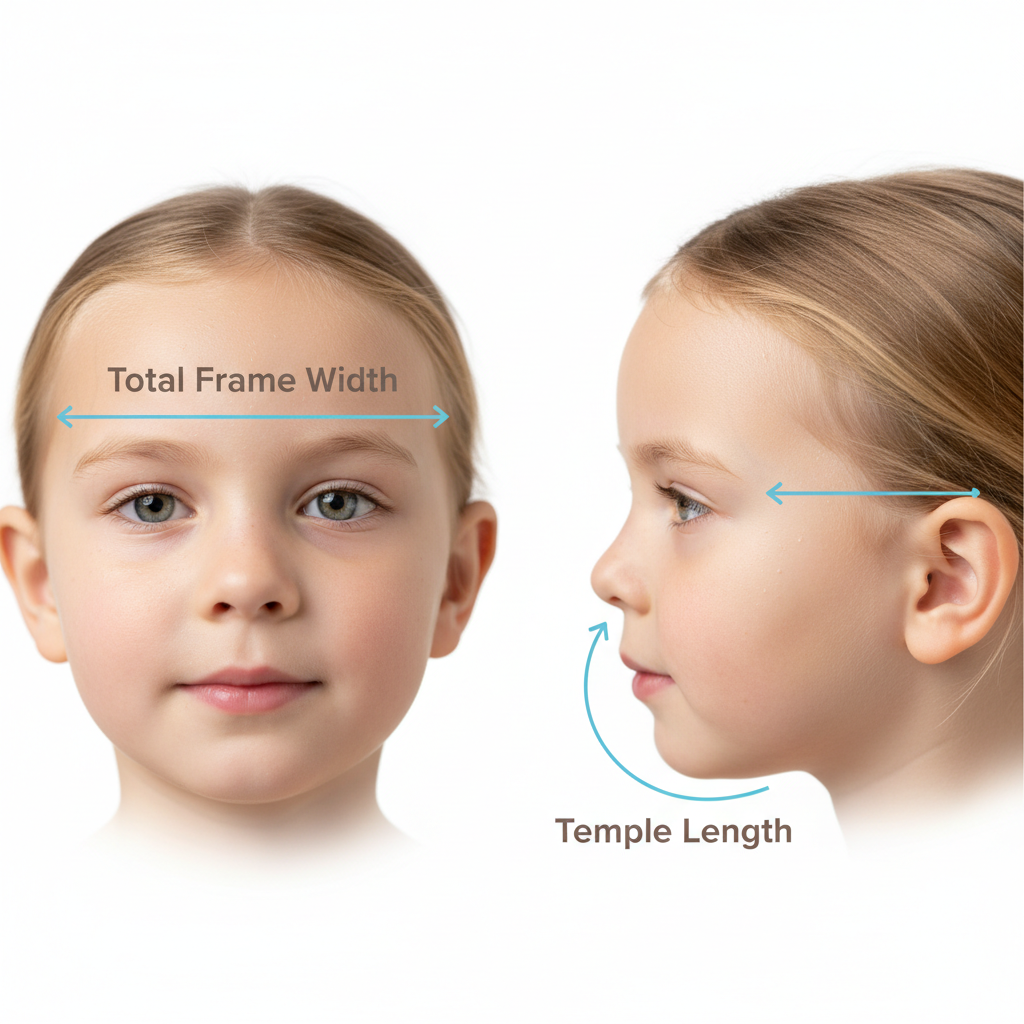
Expert Tip: The 20-20-20 Rule A far more effective way to combat digital eye strain is the 20-20-20 rule. Every 20 minutes, have your child take a 20-second break to look at something at least 20 feet away. This simple exercise relaxes the eye muscles and helps reset their blink rate.
The Reality: Blue Light Glasses Protect Sleep Cycles
Here is where blue light glasses have a real, scientifically validated benefit. Our bodies are designed to respond to light cues. The blue-wavelength light from the sun tells our brain to be awake and alert. When the sun goes down, the absence of this light signals the brain to produce melatonin, the hormone that induces sleep.
Artificial light from screens, especially in the evening, can trick the brain into thinking it's still daytime, suppressing melatonin production. This can make it harder for children (and adults) to fall asleep. Research from Harvard Health confirms that blocking this blue light in the evening can help preserve the natural melatonin cycle, aiding the body's transition into sleep mode.
Therefore, the most accurate way to think of these glasses is not as "screen glasses" but as "sleep glasses."
A Guide to Responsible Use for Developing Eyes
While physically safe, there is a nuanced discussion to be had about how blue light filtration might affect a child's eye development. Some researchers are exploring the importance of the full spectrum of light for emmetropization—the process by which the eye grows and achieves clear vision.
A theoretical model discussed by researchers from the Mayo Clinic suggests that chronically depriving a developing eye of certain light wavelengths could potentially interfere with this process. While this is not proven, it underscores the importance of a cautious and targeted approach.
The consensus is clear: children should not wear blue light blocking glasses during the day. Daytime blue light is beneficial for alertness, mood, and potentially for regulating healthy eye growth.
Usage Protocol for Parents:
- Evening Only: The glasses should only be worn for the 1-2 hours leading up to bedtime.
- Screen Time Curfew: The best solution is always to limit screen time before bed. Glasses are a helpful tool, not a replacement for good sleep hygiene.
- Encourage Outdoor Play: The best way to support healthy eye development is to ensure your child gets plenty of time outdoors in natural daylight.
A Practical Checklist for Buying Kids' Blue Light Glasses
If you've decided that blue light glasses are a good tool for your child's evening routine, use this checklist to ensure you're buying a safe and effective pair.
| Feature | What to Look For | Why It Matters |
|---|---|---|
| Lens Material | 100% Polycarbonate or Trivex. | This is the most critical safety feature, providing superior impact resistance to protect your child's eyes from injury. |
| UV Protection | Labeled as "UV400" or "100% UV Protection." | Good quality lenses should always protect against harmful ultraviolet rays from the sun, even if they are clear. |
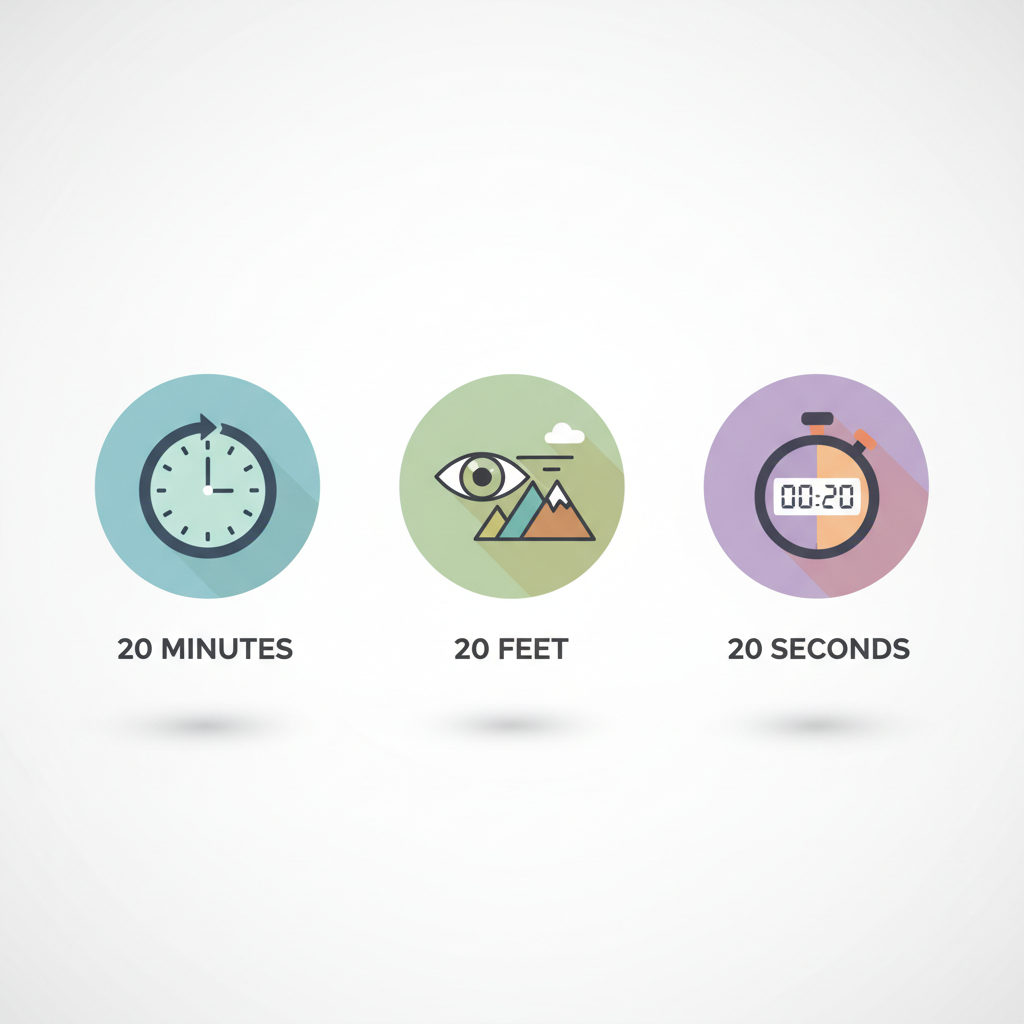
| Proper Fit | The frame should not slide down the nose. The eyes should be centered in the lenses. Temples should not be too long or too short. | A poor fit is uncomfortable and misaligns the optical center of the lens, rendering it less effective. A frame that is too wide can easily fall off. |
| Sizing Heuristic | Frame width should be roughly the child's pupillary distance (PD) + 8-12 mm. Temple length is typically 120-135 mm for young children. | These measurements provide a starting point for finding a frame that will be stable and centered on your child's face. |
| Return Policy | A clear, easy, and preferably domestic return policy. | Fit can be tricky to get right online. A good return policy removes the financial risk if the glasses don't work out. |
| Lens Tint | A light yellow or amber tint. | This indicates the lens is actively filtering blue light. Clear lenses may have a coating, but a visible tint often provides more significant filtration. |
Wrapping Up: A Tool, Not a Cure
Non-prescription blue light glasses can be a safe and helpful tool for managing your child's sleep cycle in our screen-filled world. Their physical safety hinges on choosing impact-resistant materials like polycarbonate, a standard mandated by the FDA.
However, it's vital to use them correctly. They are not a solution for digital eye strain and should only be used in the evening to support natural melatonin production. By understanding their true purpose and prioritizing a proper, secure fit, you can confidently make an informed decision that supports your child's well-being.
Frequently Asked Questions (FAQ)
1. Can my child wear blue light glasses all day? No, this is not recommended. Natural blue light from the sun during the day is essential for alertness, mood, and potentially for healthy eye development. The glasses should only be used for 1-2 hours before bedtime.
2. Will blue light glasses help my child's headaches? It's unlikely. While some people anecdotally report relief, headaches from screen use are often tied to eye strain, incorrect prescriptions, or posture. If your child experiences frequent headaches, it's best to consult an optometrist and a pediatrician. You can learn more about how to read a prescription with our simple guide to reading your eyeglass prescription.
3. What's the difference between cheap and expensive blue light glasses? The primary differences are in material quality, durability, and the precision of the blue light filter. Higher-quality pairs will use durable frame materials, guarantee polycarbonate lenses, and often feature better anti-reflective coatings. They also may use more selective filters that block harmful blue light while letting beneficial light through.
4. Is a yellow/amber tint necessary? A visible tint is a good indicator that the lens is filtering a significant portion of the blue light spectrum. Some clear-looking lenses have a coating that filters a smaller amount, but for sleep purposes, a tinted lens is generally more effective.
Disclaimer: This article is for informational purposes only and does not constitute professional medical advice. Always consult with a qualified healthcare professional or an optometrist for any health concerns or before making any decisions related to your child's health or vision.
References
- Cleveland Clinic: "Do Blue Light-Blocking Glasses Actually Work?" - https://health.clevelandclinic.org/do-blue-light-blocking-glasses-actually-work
- FDA Guidance: "Impact-Resistant Lenses: Questions and Answers" - https://www.fda.gov/regulatory-information/search-fda-guidance-documents/impact-resistant-lenses-questions-and-answers
- Harvard Health Publishing: "Can blue light blocking glasses improve your sleep?" - https://www.health.harvard.edu/blog/can-blue-light-blocking-glasses-improve-your-sleep-202110262625
- PubMed: "Blue-blocking filters and digital eye strain" - https://pubmed.ncbi.nlm.nih.gov/32007978/
- Mayo Clinic (PMC): "The dilemma of blue light filtration: are we protecting our eyes or depriving our biology?" - https://pmc.ncbi.nlm.nih.gov/articles/PMC12009466/