


Half-Rim vs Full-Rim vs Rimless: Weight, Durability, and Style Trade-offs
A frame that pinches by evening, or a lens that cracks after one drop, often comes down to a choice made at checkout: the rim style. Half rim vs full rim vs rimless glasses shapes how the glasses perform, not only how they look. Weight, durability, and prescription range all shift with how much frame material actually holds your lenses in place, and picking the wrong one shows up fast.
Quick answer: Full-rim frames hold up best and fit almost any prescription, half-rim cuts some weight while keeping a professional look, and rimless is the lightest option but the most fragile and the pickiest about prescription strength.
What Actually Separates Full-Rim, Half-Rim, and Rimless Glasses?
The difference comes down to how much frame material actually touches your lenses.
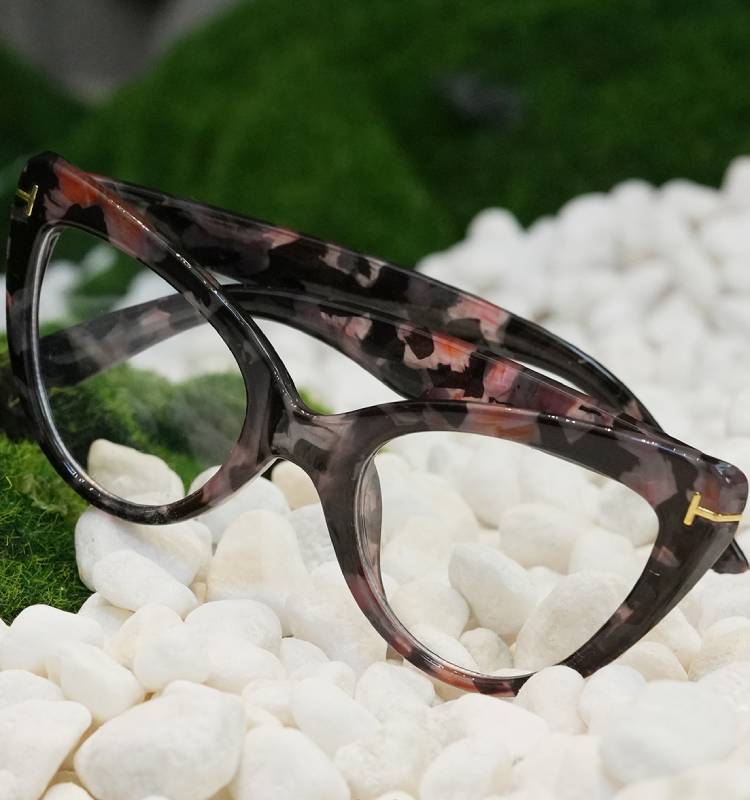
● Full-rim frames wrap all the way around each lens, so the lens sits fully inside the frame.
● Half-rim frames, also called semi-rimless, usually keep a frame on top and hold the lower lens edge with a nylon cord or a shallow groove.
● Rimless frames skip the frame entirely. Small drill holes in the lens connect straight to the nose bridge and temples with screws.
This split matters because weight, durability, and prescription range all depend on how much frame material is actually supporting the lens. The comparison is sometimes framed as semi rimless vs full rim glasses, but the real question is how much support you want around the lens edge, not only which one looks lighter.

How Much Does Frame Type Affect Weight?
Frame type does change how heavy a pair feels, though the range is not huge on its own.
Frame Type | Typical Weight |
Full-rim | Around 20 to 30 grams |
Half-rim | Around 15 to 22 grams |
Rimless | Around 8 to 15 grams |
These are general ranges, and material moves the number further than frame style alone. Acetate frames run heavier than titanium or TR90 at any rim style, so a full-rim titanium pair can land close to a half-rim acetate pair on a scale.
A few extra grams rarely bother someone who wears glasses for a few hours a day. Weight matters more for all-day wearers, hearing aid users who need clear space behind the ear, and anyone active who needs the frame to stay put. Material choice typically has a bigger effect on comfort than rim style does.
Which Frame Type Lasts the Longest?
Full-rim frames last the longest, because the lens sits fully protected inside the frame material.
● Full-rim: the frame absorbs most of the shock from a drop, and lens edges rarely chip.
● Half-rim: the nylon cord holding the lower lens edge is the weak point. It can dry out and snap after one to three years of daily wear, though replacement cord is cheap and easy to fix.
● Rimless: the most fragile option. Each drill hole is a stress point, and a drop can crack the lens straight from the screw hole outward.
Prescription strength adds another layer. Thick lens edges, which come with strong prescriptions, are harder to drill safely, so rimless frames carry a higher risk of cracking for high-power lenses.
Repair costs follow the same order. Full-rim frames rarely need lens-related repairs, half-rim repairs usually call for a new cord, and rimless repairs often call for a new lens entirely.
Does Every Prescription Work With Every Frame Type?
No, prescription strength narrows your frame options fast.
Frame Type | Prescription Range |
Full-rim | Works with nearly any prescription, and a thicker frame can hide lens edge thickness |
Half-rim | Comfortable for low to moderate prescriptions, though the lens edge shows below the frame at higher power |
Rimless | Best kept under about -4.00 for nearsightedness or +3.00 for farsightedness |
Strong astigmatism and prism corrections add extra lens thickness at the edges, which rimless frames are not built to hide or support well. Rimless vs full frame glasses often comes down to this exact point: as prescription strength climbs, full-rim becomes the safer pick.

What Does Each Frame Style Say About You?
Each frame style carries its own visual signal, separate from the prescription inside it.
● Full-rim frames have a strong presence. The frame becomes part of your look, which suits anyone who wants glasses to make a statement.
● Half-rim frames sit in between. They read as put together and professional, common in business and academic settings, without disappearing completely.
● Rimless frames barely register. The face stays the focus instead of the glasses, which suits anyone who prefers their glasses to stay in the background. That is still a style choice, not the absence of one.
Face shape also plays a part in which style suits you best, though that goes beyond rim style alone.
What Else Affects Comfort Beyond Weight?
Weight is not the only comfort factor, and each frame type has its own quirk. Weighing half rim glasses pros and cons usually comes down to this kind of daily detail, not only the number on a scale.
● Full-rim: heavier overall, but the weight spreads evenly across the frame, so it stays stable over a long day.
● Half-rim: the nylon cord along the bottom edge can create a faint line in your lower field of view with certain prescriptions.
● Rimless: the lightest option, but the screws at each connection point can loosen over time, causing the frame to shift and need regular tightening. The connection points at the nose bridge and temples also carry the most stress over years of wear.
How Do the Three Frame Types Compare Side by Side?
Here is how the three types stack up across the factors that matter most.
Factor | Full-Rim | Half-Rim | Rimless |
Weight | Heaviest | Middle | Lightest |
Durability | Highest | Middle | Lowest |
Prescription range | Works with nearly any strength | Best for low to moderate strength | Best for low strength only |
Style presence | Strong | Moderate | Minimal |
Repair difficulty | Low | Low to moderate | High |
Price range | Spans all budgets | Spans all budgets | Tends to run higher |
No single frame type wins on every factor, so which glasses frame type is best depends on which trade-off matters most for your daily routine.

Which Frame Type Fits Your Situation?
A few situations make the choice fairly clear.
● A prescription stronger than about -4.00 for nearsightedness or +3.00 for farsightedness usually points to full-rim, because the frame can hide extra lens thickness.
● Frequent drops, active kids, or sports call for full-rim, because it holds up best against impact.
● All-day wear paired with weight sensitivity points toward rimless or a lightweight half-rim.
● Hearing aid users often do better with rimless or a half-rim frame that has slim temples.
● A tight budget paired with a need for durability points to full-rim, because it needs fewer repairs over time.
● A minimalist look paired with a low prescription opens the door to rimless.
Lensmart carries full-rim, half-rim, and rimless styles, including titanium rimless frames built for a lighter, more minimal look, so there is room to match your prescription strength to the right amount of frame support.
Ready to Pick the Right Frame Type?
The right rim style comes down to your prescription strength, how rough you are on glasses, and how much presence you want your frame to have. Full-rim covers the widest range of prescriptions and takes the most impact, half-rim balances weight and structure, and rimless stays light for the right prescription. Lensmart offers full-rim, half-rim, and rimless frames, including titanium options, so you can order a pair fitted to your prescription and your daily routine.
FAQs
Q1: Are rimless glasses more fragile than full-rim?
Yes, rimless glasses are generally more fragile than full-rim frames, because there is no frame material to absorb impact around the lens edges. The drill holes create stress points that can crack under a drop or heavy pressure. Full-rim frames handle daily wear and tear with much less risk.
Q2: Which frame type is lightest?
Rimless frames are typically the lightest, often landing between 8 and 15 grams depending on material. Half-rim comes next, and full-rim is usually the heaviest of the three. Material still plays a bigger role than rim style alone.
Q3: Can I get rimless glasses with a strong prescription?
Not usually. Rimless frames work best under about -4.00 for nearsightedness or +3.00 for farsightedness, because thicker lens edges are harder to drill safely. A strong prescription, high astigmatism, or a prism correction usually points to full-rim instead.
Q4: Do half-rim glasses last as long as full-rim?
Not quite. The nylon cord that holds the lower lens edge on half-rim frames can dry out and snap after one to three years. Full-rim frames protect the whole lens edge, so they typically last longer with less maintenance. Cord replacement on half-rim frames is inexpensive and simple.
Q5: Which frame type is best for everyday wear?
It depends on your prescription and habits. Full-rim suits most everyday wear because it handles drops and covers any prescription strength. Active users or anyone hard on glasses usually do better with full-rim, while a lighter half-rim works well for a lower prescription and steady daily use.