


Cycling Glasses with Prescription: How to See Clearly on Every Ride
Blurry road markings and squinting into headwinds turn a simple ride into hard work. Cycling glasses with prescription lenses fix that problem by combining your exact vision correction with a frame built for speed, wind, and glare. Riders who need vision correction do not have to trade clear sight for eye protection anymore. Here is what actually matters when picking a pair.
Quick answer: Match your prescription to a wraparound sports frame with UV protection and an anti-fog coating, and wind, glare, and fogging stop blocking your view.
Can You Put a Prescription in Cycling Glasses?
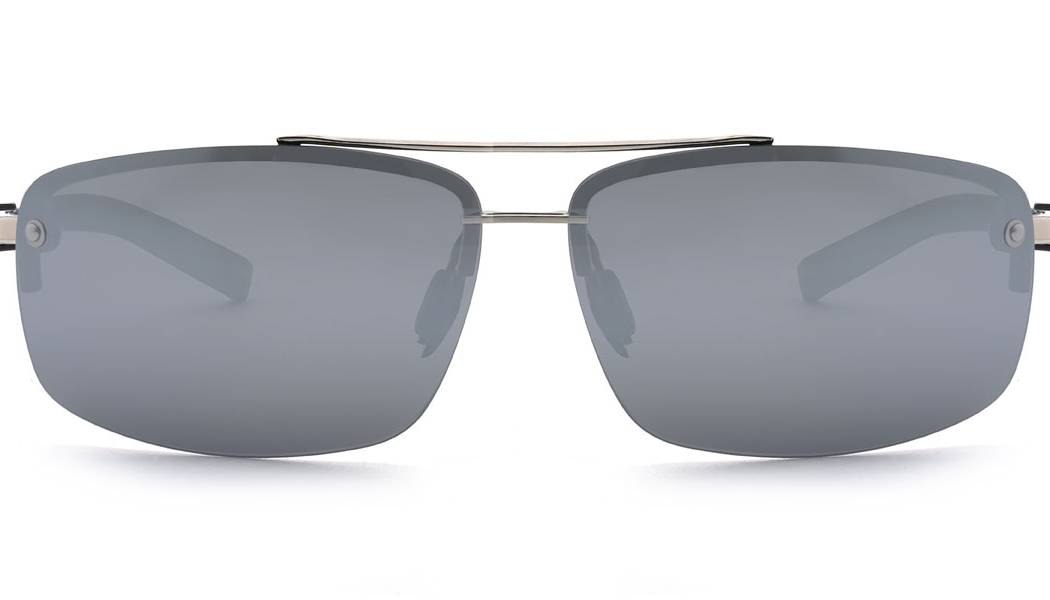
Yes, most cycling glasses can hold a prescription. Riders have three main paths to correct their vision on a bike: prescription inserts, direct glazing, and clip-on lenses.
Prescription Inserts vs Direct Glazing
Option | How It Works | Best For |
Prescription insert | A small lens clip holds your prescription behind the sport lens | Riders who often switch lens tints |
Direct glazing | Your prescription is ground straight into the sport lens | Riders who want one clean lens with no extra parts |
Clip-on lens | A tinted shield attaches over your regular glasses | Riders who need a quick, low-cost fix |
Each option corrects your vision, so the right pick depends on how often you swap lenses and how much wraparound coverage you want. Direct glazing typically costs extra compared with an insert, because the lens itself carries the full prescription instead of a separate clip-in piece.
Riders with a strong prescription, a high plus or minus number, sometimes need extra lens thickness or a gentler frame curve to keep the edges of their view sharp. This matters most for daily commuters and regular road riders, who spend an hour or more on the bike at a stretch, and a loose fit or a weak lens edge shows up fast at that distance.
Why Choose Sports Glasses Over Everyday Glasses for Riding?
Everyday glasses sit close to your face and leave gaps at the sides. Wind, dust, and bugs get through those gaps at riding speed. Sports glasses use a wraparound shape that seals off those openings and keeps your eyes clear from start to finish.
Feature | Everyday Glasses | Sports Glasses |
Lens coverage | Narrow, gaps at the sides | Wraparound, full coverage |
Weight | Heavier metal or acetate frames | Light polycarbonate frames |
Grip | Slides with sweat | Rubber nose pads and temple tips |
Lens coating | Usually only anti-scratch | Anti-fog, anti-glare, UV400 |
Sports glasses trade a bit of everyday style for a secure fit and full eye coverage, and that trade pays off once you pick up speed.
How a Wraparound Fit Changes Airflow
A curved, wraparound lens sits closer to your temples and brow. That shape redirects wind around your eyes instead of straight into them, which cuts down on watering, stinging, and constant blinking on fast descents.
Will Prescription Cycling Glasses Fit Under a Bike Helmet?
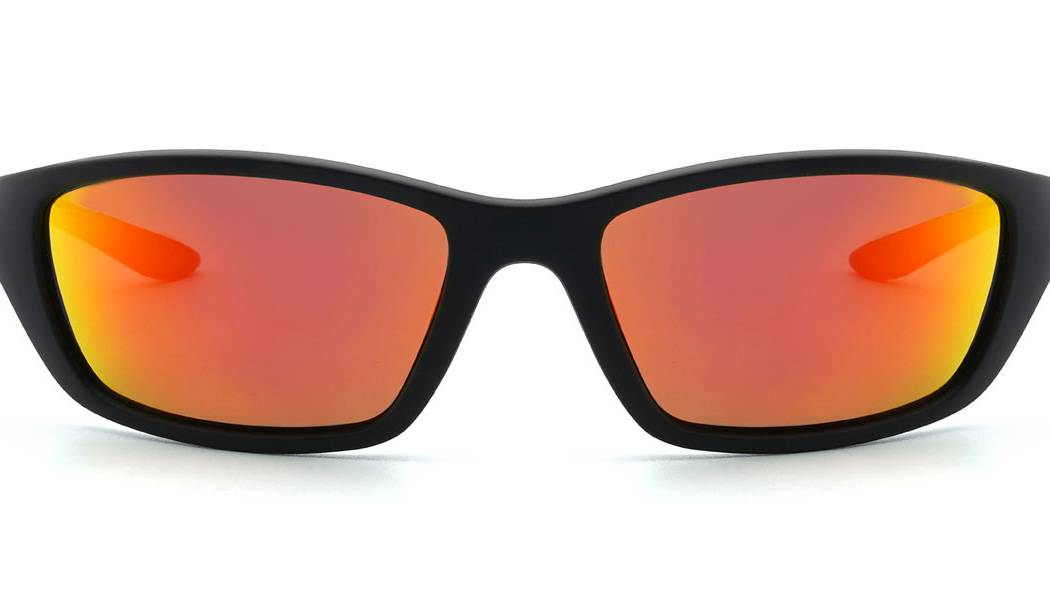
Yes, most prescription cycling glasses fit under a helmet without trouble, as long as the frame has thin, flat temples that slide beneath the strap instead of pressing on your head.
● Slim, flat temple arms slide under helmet straps without pinching.
● A frame that sits low enough that the top edge does not bump the helmet's brow pad.
● Enough room at the temples so the arms do not push the glasses down your nose over bumps.
Try this quick check ahead of a long ride: put the helmet on first, then slide the glasses on and off a few times to confirm nothing catches or shifts.
What Are the Best Sports Eyeglasses to Help You See Clearly?
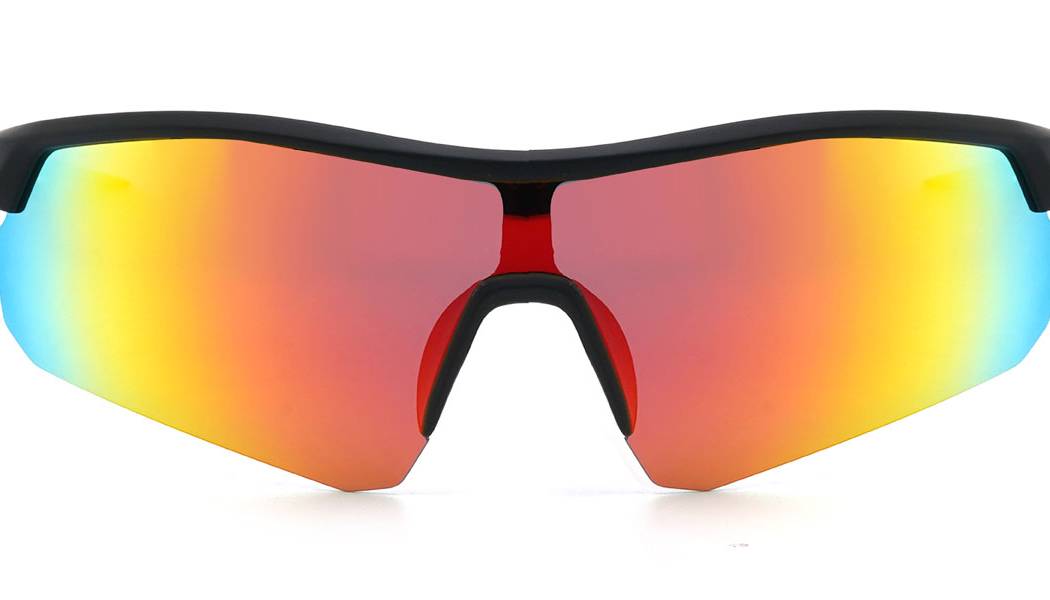
Sports eyeglasses built for cycling share a few core traits. Check for these features in the product details first, then match them to your riding style.
● Polycarbonate lenses resist impact and stay light on your face.
● UV400 coating blocks both UVA and UVB rays on sunny rides.
● Anti-fog coating keeps the inside of the lens clear during hard breathing, and a fog-proof cleaning cloth works as a backup that lasts about a day.
● Polarized lenses cut glare off wet roads and car windshields.
● Photochromic lenses adjust tint automatically between shade and open sun.
Matching Lens Tint to Light
Light Condition | Helpful Tint |
Bright sun | Dark gray or brown |
Overcast, dawn, or dusk | Yellow or rose |
Light that changes through the ride | Photochromic |
A darker tint cuts glare on sunny roads, while a lighter tint keeps trail detail sharp on cloudy days.
Fit and Frame Checks
A pair only works well if it stays put. Check for adjustable nose pads, grippy temple tips, and small vents that stop fogging on climbs.
Should You Wear Prescription Safety Glasses for Extra Protection?
It depends on the protection you need. Prescription safety glasses are built with impact-resistant lenses, which suit work sites, tool use, and other settings with a real risk of flying debris.
Cycling and sports glasses take a different approach. They focus on UV protection, wraparound wind coverage, and anti-fog performance, because sun, wind, sweat, and dust cause more trouble on a typical ride than heavy impact debris.
● Commuters and casual road riders usually get enough protection from a wraparound cycling frame with UV protection and an anti-fog coating.
● Riders who also need impact-resistant eyewear for work can pick up a separate pair of prescription safety glasses for that setting.
The two categories serve different purposes, so match the pair to the setting instead of picking one style for everything.
What Do You Need to Order Prescription Cycling Glasses Online?
Ordering prescription cycling glasses online takes two pieces of information: a current eyeglass prescription and your pupillary distance, often shortened to PD.
● A valid prescription from a recent eye exam, because most sellers list a cutoff date for how old it can be.
● Your PD, the distance between the centers of your pupils in millimeters, which controls how each lens lines up with your eye.
Most prescriptions list PD on the same slip as the rest of your numbers, though some doctors leave it off. If yours is missing, a ruler held against a mirror can give a rough measurement, or you can ask how to submit it after checkout.
Lensmart, along with other online prescription eyewear sellers, asks for both a prescription and a PD measurement when you order from its Sports Glasses and Cycling Glasses line, so the lens can be centered correctly behind each eye.
Ready to Ride With Clear Vision?
Clear sight on a ride comes down to matching your prescription to a frame built for wind, glare, and fog. Wraparound coverage, anti-fog coatings, and UV protection each play a role in comfort on the bike, and a separate impact-resistant pair covers the settings where that level of protection matters. Lensmart offers prescription cycling and sports glasses online, so you can order a pair fitted to your exact prescription and get back on the road with confidence.
FAQs
Q1: Do prescription cycling glasses stop wind from hurting your eyes?
Yes, wraparound frames seal off the sides and top of your eyes, so wind, dust, and small debris pass around the lens instead of hitting your eyes directly. This cuts down on watering eyes and irritation during long rides.
Q2: Can I use photochromic lenses for cycling day and night?
Not fully. Photochromic lenses darken in bright light and lighten in shade, which works well for daytime rides with changing light. They do not turn fully clear in true darkness, so night riders still need a dedicated clear lens on hand.
Q3: Is it hard to get used to curved prescription cycling glasses?
Not usually. The curve of a sport lens can shift peripheral vision slightly at first, but most riders adjust within a few days. A correct prescription and a proper fit make that adjustment period shorter.
Q4: Do I need polarized lenses for road cycling?
Not required, but they help. Polarized lenses cut glare off wet pavement and car windshields, which improves comfort on bright rides. Trail riders in shaded areas may prefer a non-polarized lens for better ground detail.
Q5: Are prescription cycling glasses worth the cost over clip-ons?
It depends on your riding habits. Direct glazing or inserts give a cleaner fit and a wider field of view, which suits frequent riders. Clip-ons cost less and work fine for occasional rides.