Why Do My Glasses Give Me a Headache? Common Causes and How to Fix Them
Introduction: Your Glasses Should Improve Your Vision, Not Cause Discomfort
Glasses are designed to help you see clearly and comfortably. However, some people experience headaches, eye strain, or discomfort after wearing their glasses — especially after getting a new pair.
You may ask: “Why do my glasses give me a headache if my prescription seems correct?”
The answer is not always related to your eyesight alone. A pair of glasses involves many factors, including prescription accuracy, lens positioning, frame fit, and overall comfort. Even a small issue with measurements or adjustments can affect how your glasses feel throughout the day.
Understanding what may be causing your discomfort can help you find a better solution and choose glasses that truly fit your lifestyle.
1. Your Prescription May Need an Update
One of the most common reasons glasses may cause headaches is an outdated or inaccurate prescription.
Your eyes constantly adjust to create a clear image. When your prescription no longer matches your current vision needs, your eyes may need to work harder than necessary.
Over time, this extra effort can lead to symptoms such as eye fatigue, blurry vision, and headaches.
Prescription-related discomfort may happen when your vision has changed, your lens power is no longer accurate, or your astigmatism correction needs adjustment.
However, a correct prescription is only one part of comfortable eyewear. Even if your lenses match your vision needs, your glasses may still feel uncomfortable if other measurements or fitting details are not right.

2. Incorrect PD Measurement Can Affect Your Comfort
When ordering prescription glasses online, many people focus only on choosing a frame they like and entering their prescription. However, one important measurement is often overlooked: pupillary distance(PD).
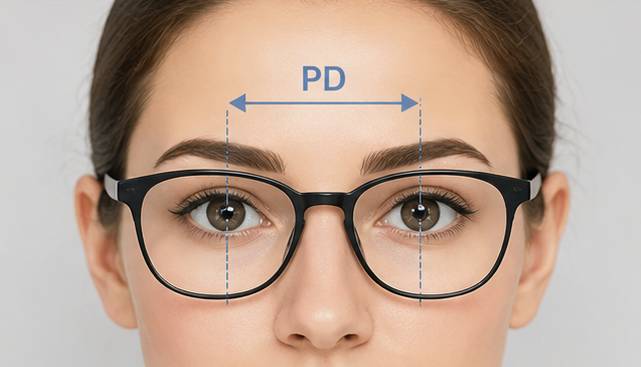
PD is the distance between the centers of your pupils. It helps position your lenses correctly in front of your eyes.
If your PD measurement is inaccurate, the optical center of your lenses may not align properly with your eyes. This can make your eyes work harder and may cause symptoms such as:
l Eye strain
l Dizziness
l Headaches
l Difficulty adjusting to new glasses
This is especially important for stronger prescriptions and specialized lenses, such as progressive lenses.
Accurate measurements are an important part of creating comfortable prescription glasses.
3. Your Frame Fit May Be Creating Unnecessary Pressure
Sometimes the cause of glasses-related headaches is not the lenses — it is the frame itself.
A pair of glasses can look stylish but still feel uncomfortable if the size and shape do not match your face.
Frames that are too narrow may create pressure around your temples, while frames that are too loose may slide down and require constant adjustment.
A properly fitted frame should feel secure without creating pressure points.
Frame Fit Issue | What You May Experience | Possible Solution |
Frame is too narrow | Pressure around temples after long wear | Choose a wider frame size |
Frame is too loose | Glasses slide down frequently | Adjust the frame or choose a better fit |
Bridge does not fit properly | Nose pressure or marks | Select a different bridge style |
Temples are too tight | Discomfort around ears | Adjust the temple arms |
Choosing the right frame measurements, including frame width, bridge size, and temple length, can significantly improve your everyday wearing experience.
4. Frame Weight Can Affect Your Long-Term Comfort
Many people choose glasses based on style, and bold or oversized frames can be a great way to express your personality. However, heavier frames may create extra pressure on your nose, ears, and temples after long hours of wear.
You don’t have to give up your favorite styles, but it’s helpful to choose glasses based on different occasions.
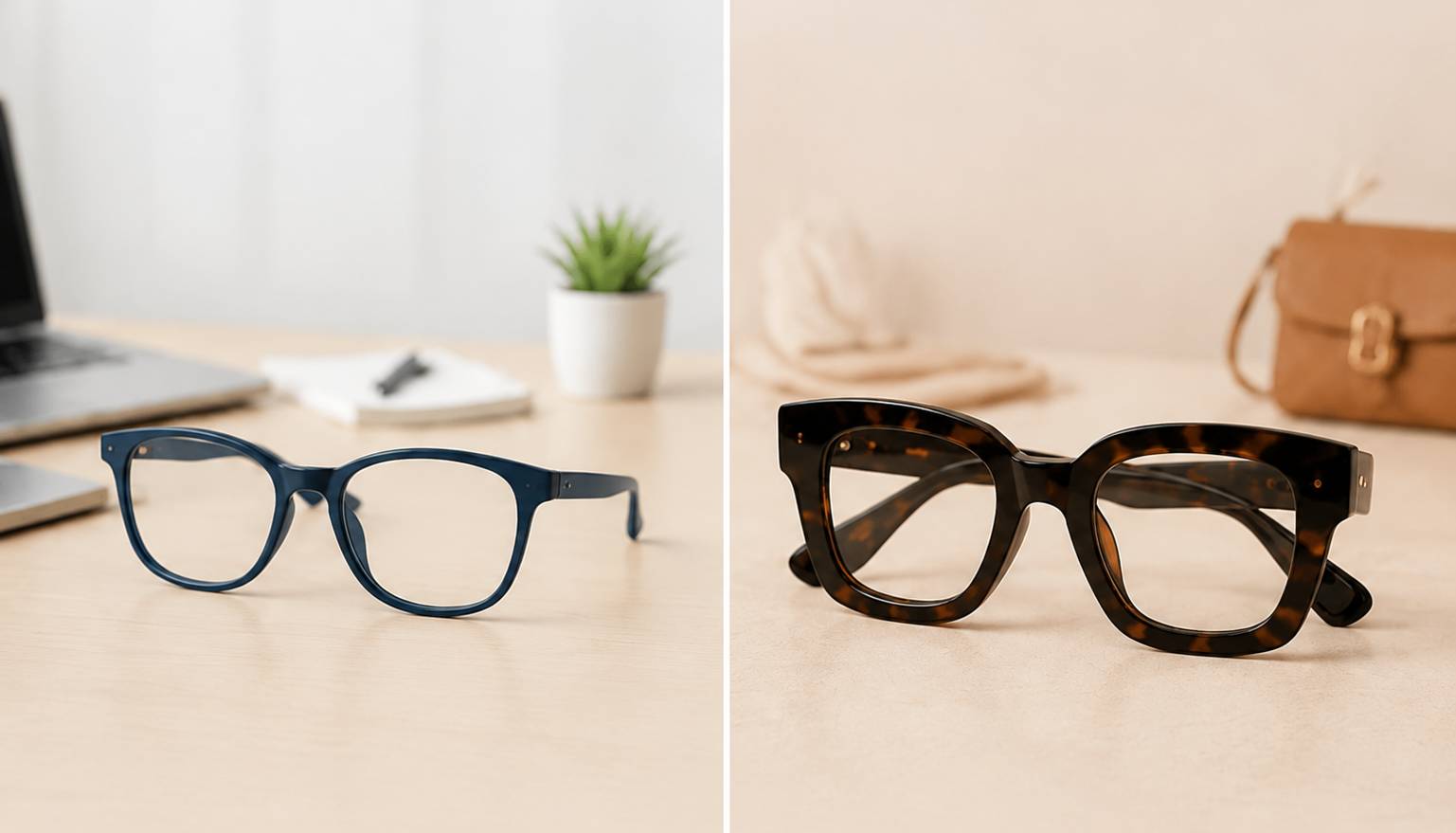
A statement frame can complete your look, while a lightweight pair may be more comfortable for everyday activities like working, studying, or driving.
Having a second pair of glasses can also give you more flexibility between style and all-day comfort.
5. Your New Lenses May Need an Adjustment Period
If you recently changed your glasses, some discomfort may simply be part of the adjustment process.
Your eyes and brain need time to adapt when there are changes in:
l Lens power
l Frame shape
l Lens type
l Prescription design
This is especially common with progressive lenses or stronger prescriptions.

A short adjustment period can be normal. However, if headaches, dizziness, or discomfort continue for an extended period, it may be worth checking whether your prescription, lens positioning, or frame fit needs adjustment.
How to Fix Headaches Caused by Glasses
If your glasses are causing discomfort, you do not always need to replace them immediately. Start by identifying the possible cause.
Problem | What to Check |
Headaches after getting new glasses | Prescription and adjustment period |
Eye strain or dizziness | PD measurement and lens positioning |
Pressure around your head | Frame size and fit |
Nose discomfort | Frame weight and bridge design |
Screen-related discomfort | Lens options and viewing habits |
The best pair of glasses should not only help you see clearly — they should also feel comfortable enough to wear throughout your entire day.
FAQs
Q1: How long does it take to adjust to new glasses?
Many people adjust to new glasses within a few days to two weeks.
If discomfort continues beyond that time, it may be worth checking your glasses fitting or prescription accuracy.
Q2: Why do my glasses hurt behind my ears?
It could be because the glasses are too tight or too heavy, or because they need adjustment.
Therefore, when choosing frames, you should consider not only the weight of the glasses but also their size and specifications.
Q3: How do I know what glasses size fits me?
On each Lensmart product page, you can check important frame details, including frame width, lens size, bridge width, and temple length.
Finding the right glasses size is easier when you compare frame measurements with a pair of glasses you already wear comfortably.
You can also consider your face width when selecting a frame.